 Log in
 Register


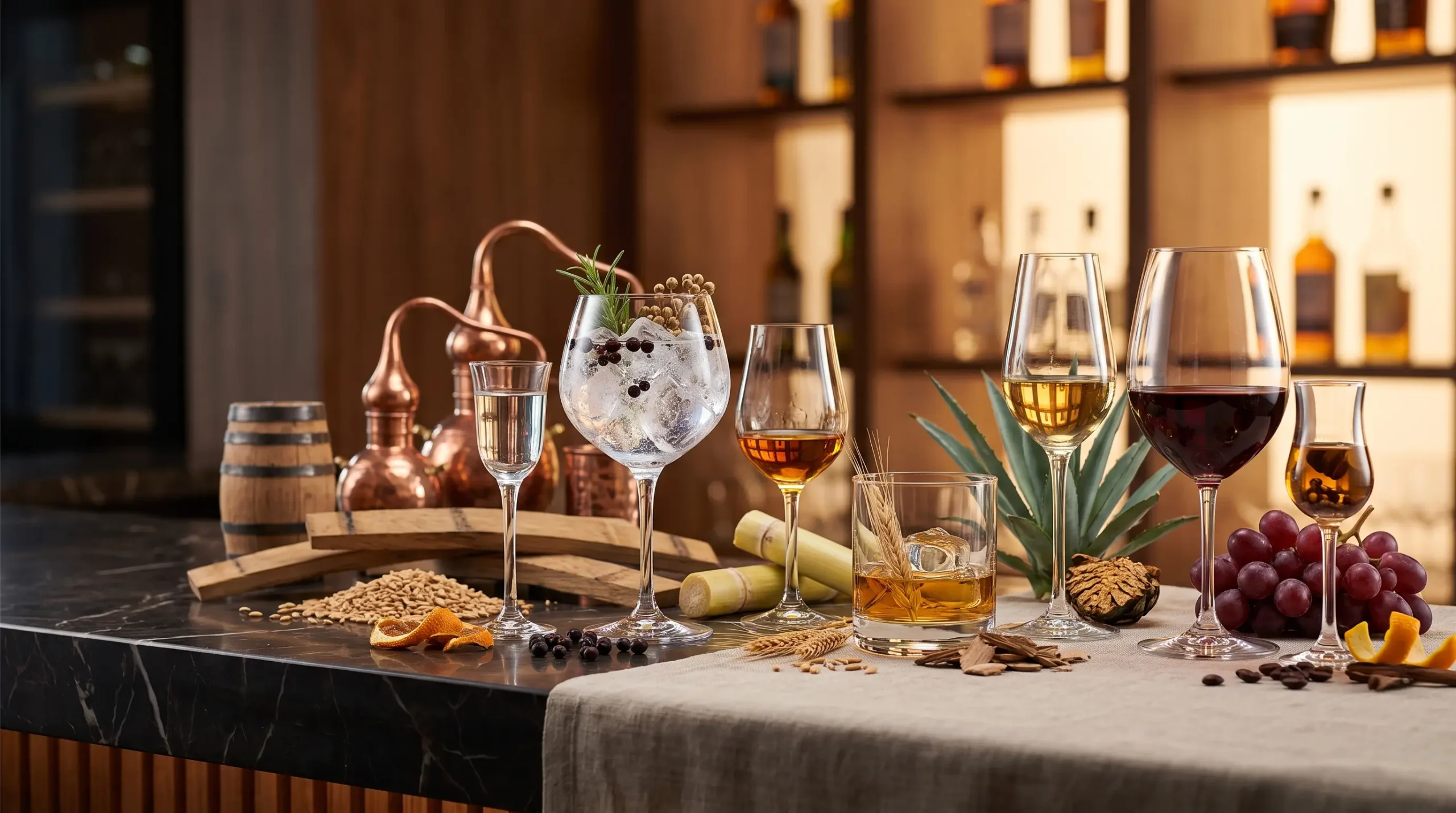
When talking about taste, everyone’s preference is fundamentally very subjective, especially when discussing types of alcoholic beverages. For someone who is just starting to explore, finding delicious alcoholic beverages for beginners is often confusing due to the many variations in the market. Conversely, people who already have experience usually look more for the complexity of character and specific details of a spirit.
It is important to understand that no single beverage category is automatically the most delicious for everyone. A more advanced tasting experience also does not always mean someone must choose a beverage with a higher alcohol content. Each category has its own uniqueness that is worth studying.
This article is a guide to understanding spirits that will thoroughly explore the differences in beverage characteristics, raw materials, and how to understand flavor profiles responsibly for readers aged 21 and over.
What Makes Alcoholic Beverages Taste Delicious?
Determining a delicious alcoholic beverage actually depends on the harmony between several sensory elements. The perception of taste does not only come from the tongue but is a quite complex combination from the production process to how it is served.
Here are some elements that affect the taste and aroma of alcoholic beverages:
- Aroma: Smell has the largest role in determining taste perception. Aromas can be fruit scents, spices, flowers, to distinctive woody aromas.
- Base Flavor: The tongue detects sweet, bitter, and sour tastes. Additionally, there is a warm sensation from the alcohol that provides an extra dimension when drunk.
- Texture and Mouthfeel: This relates to how the beverage feels in the mouth. Some drinks feel light and watery, while others feel thick, creamy, or leave a dry sensation.
- Raw Material Character: Grapes, grains, sugarcane, or agave plants provide a foundational main flavor that is very different from one another.
- Production Process: Fermentation methods, the number of distillation processes, and maturation techniques in wooden casks will transform the raw character into a much more complex flavor profile.
There is no strict rule that beginners must like sweet flavors or that the experienced must definitely like bitter flavors. All the elements above will be captured differently by each individual.
Beginners and Experience in Understanding Spirits, What’s the Difference?
Someone who is new to the beverage category is often referred to as a beginner in the world of spirits. Alcoholic beverages for beginners and the experienced are often differentiated by how accustomed the palate is to identifying layer upon layer of aroma and flavor.
People who are just trying are usually more accepting of flavor profiles that are not too surprising or familiar flavors. As time goes by, more experienced people usually start looking for sensory challenges by paying attention to details of aroma, texture, and the aftertaste left in the throat.
However, preferences remain subjective. Flight hours in tasting beverages have no relation to physical tolerance for the effects of alcohol. Increased experience does not make someone need a beverage with a higher alcohol content to be able to enjoy its quality.
Types of Alcoholic Beverages and Their Flavor Characteristics
To know which category might be suitable, understanding the types of alcoholic beverages and their characters is the right first step. Each category is produced with different methods resulting in a unique final profile.
Vodka — Relatively Neutral Character
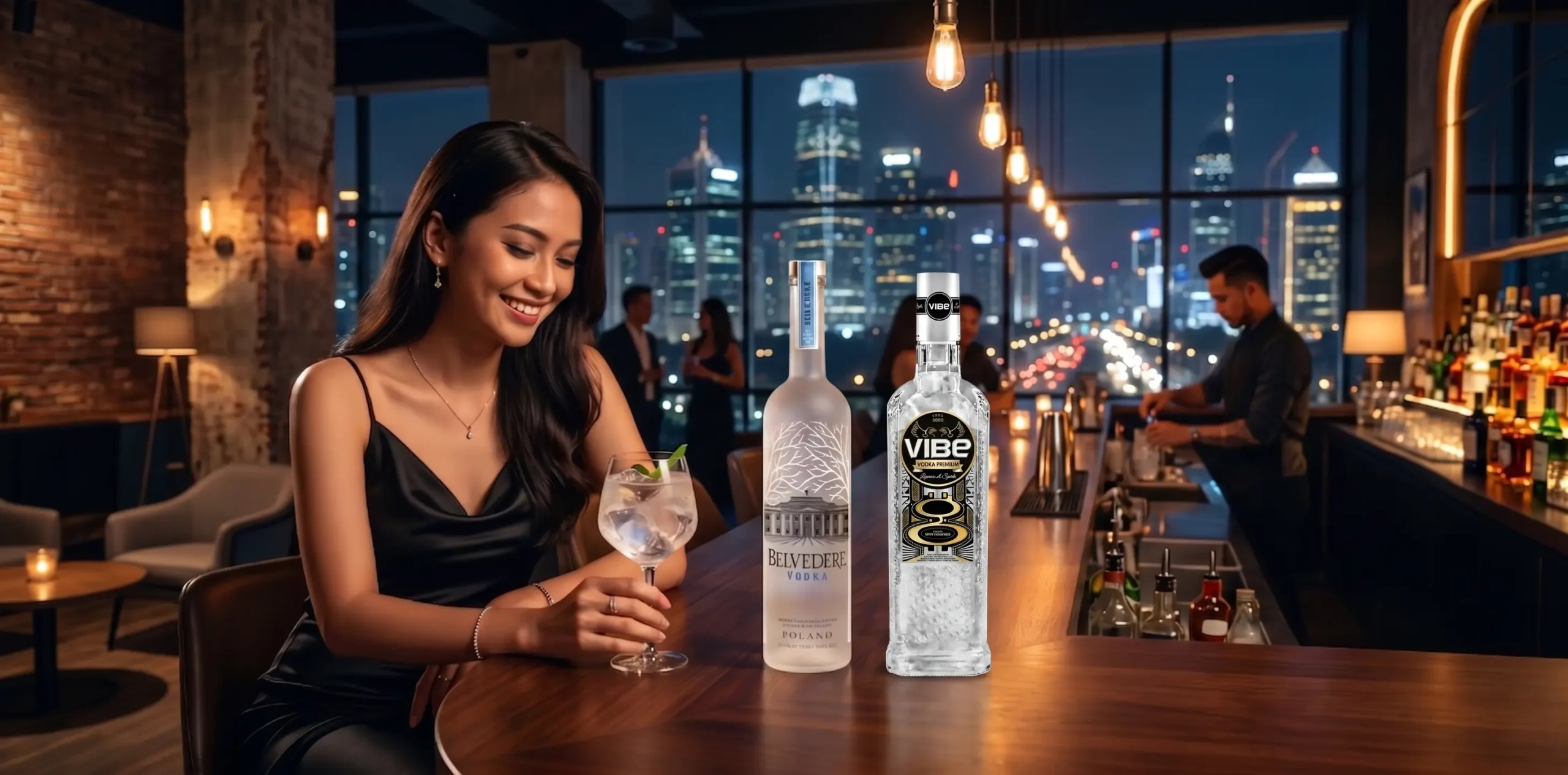
Discussing the characteristics of vodka often starts with its relatively neutral, clean, and clear nature. Vodka is generally produced using high-level distillation methods to remove most impurities and the character of its raw materials.
Although often considered to have no taste, raw materials like wheat, potatoes, or grapes still provide a very smooth texture and flavor trace in the final result. Many commercial vodkas start from a neutral spirit which is then filtered multiple times.
Its neutral nature often gives rise to the assumption that vodka is always suitable for beginners, even though the warm sensation of the alcohol still feels sharp if drunk pure.
Gin — Distinctive Botanical Character
Unlike vodka, the characteristics of gin rely heavily on the infusion of natural ingredients or botanicals. The mandatory main ingredient in making gin is juniper berries, which provide a herbal flavor profile resembling pine.
Besides juniper, producers often add citrus, coriander, cardamom, angelica root, to flowers.
This combination of botanicals makes gin have an extraordinarily complex aroma profile and varies greatly between brands.
This fresh and herbal character makes it very popular for mixing with tonic or other ingredients that highlight its aroma.
Rum — Character from Raw Materials and Maturation
If looking for a drink closely tied to tropical nuances, the characteristics of rum are the answer. Rum is always made from sugarcane derivatives, be it fresh sugarcane juice or molasses.
White rum usually has a lighter, fresher profile and highlights the natural aroma of sugarcane.
Rum that undergoes an aging process in wooden casks (aged rum) will absorb a dark color and develop aromas of caramel, vanilla, and wood spices.
Although sugar-based, the fermentation and distillation process leaves pure rum containing no residual sugar. So, it is a mistake to assume all rum must taste sweet like syrup.
Whisky — Complex Character
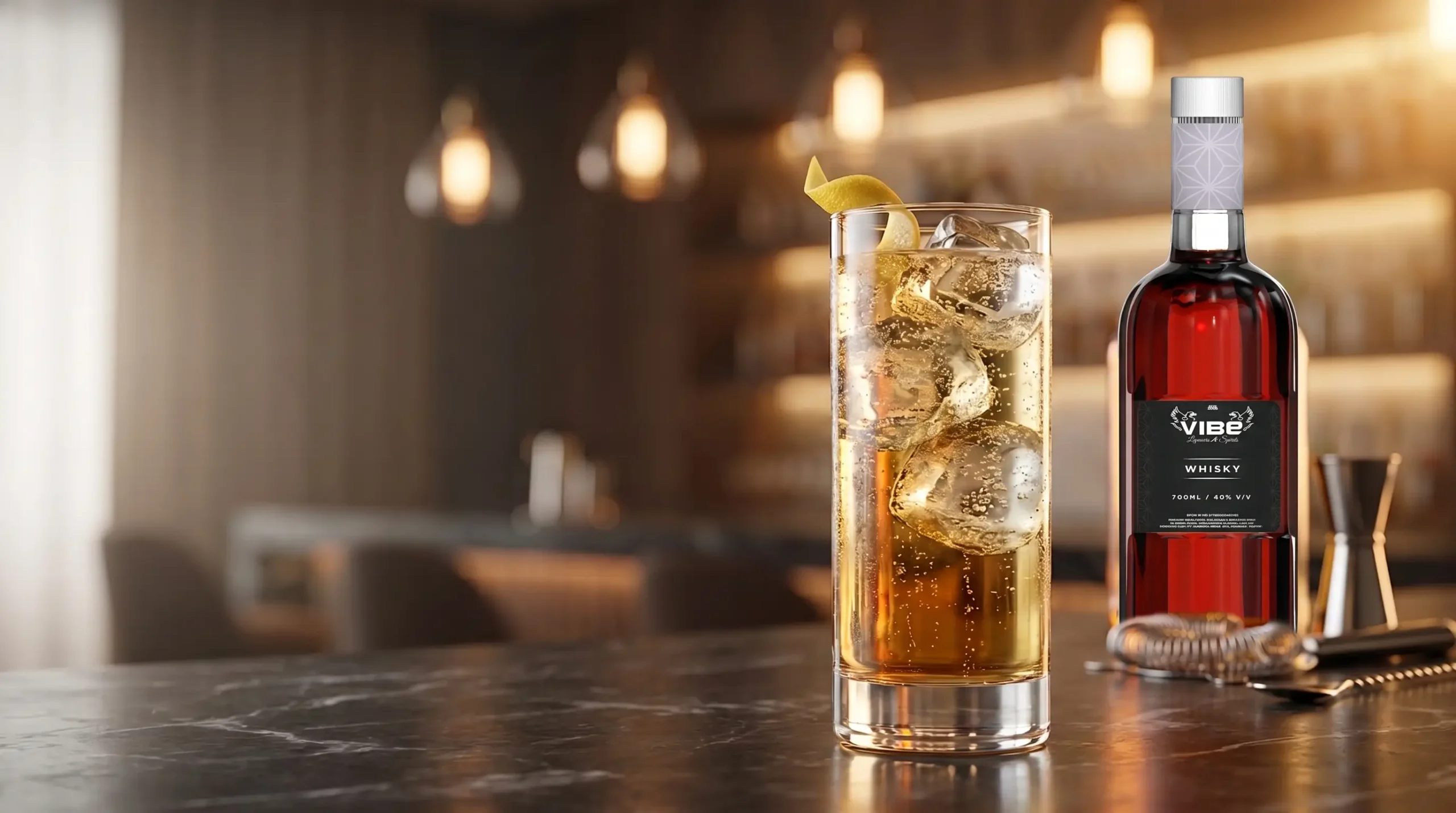
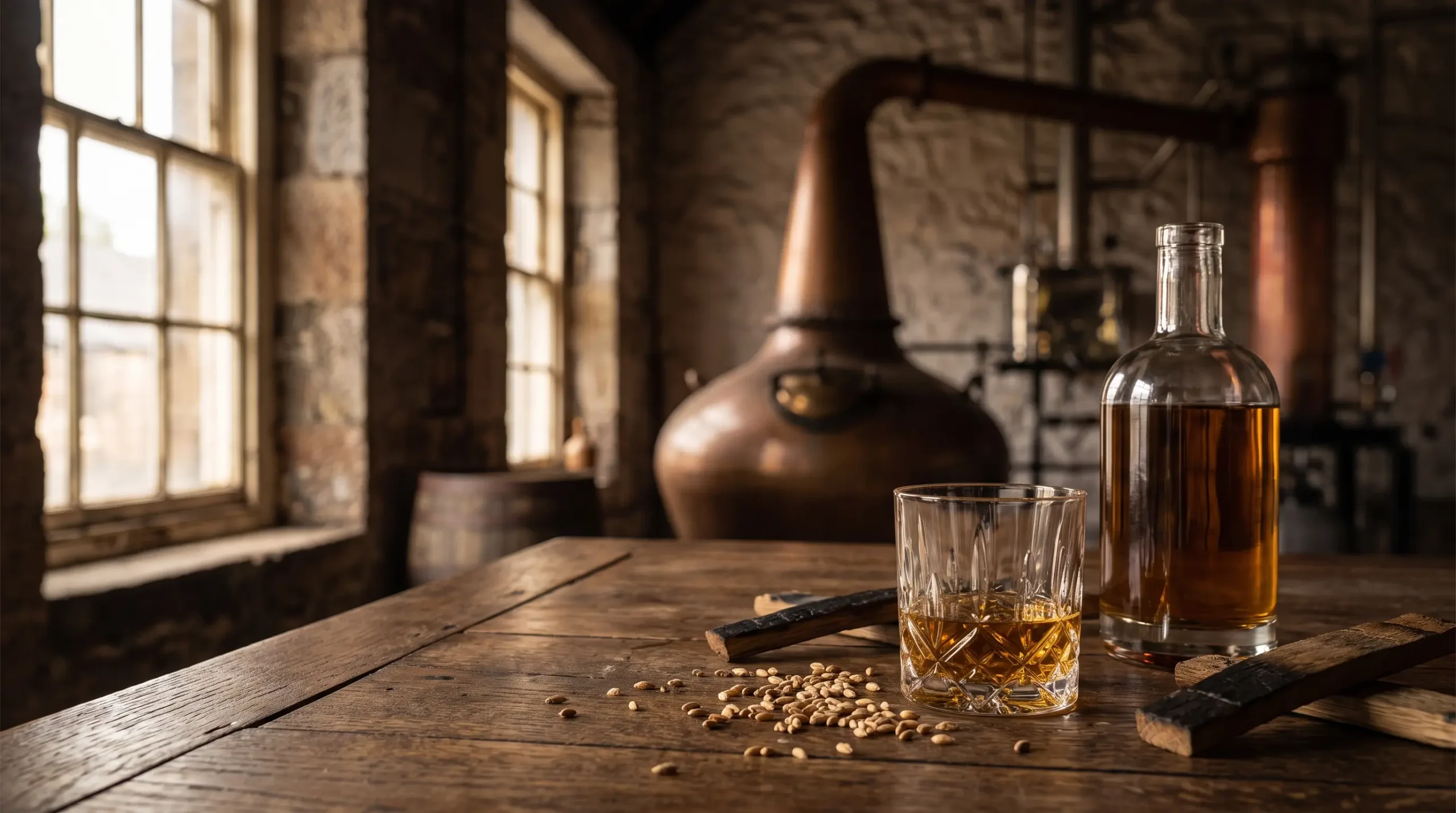
The characteristics of whisky are famous for their depth of flavor and rich aroma. This beverage is made from the fermentation of grains such as barley, corn, rye, or wheat, which is then matured in oak casks.
The difference between vodka and whisky is very contrasting; if vodka discards the character of the raw materials, whisky actually maintains and develops them through the aging process.
Wooden casks contribute greatly to the aromas of wood, spices, vanilla, to dried fruit.
Some types of whisky, especially from certain regions in Scotland, use peat in the process, resulting in a very strong smoke aroma. This bold profile does not mean whisky is only for experienced people, as many whisky variants have a very smooth character.
Tequila — Agave Character
The characteristics of tequila are very specific because regulations require it to be made from the blue agave plant in certain regions of Mexico. The roasting and fermentation process of this plant produces a character not found in other spirits.
Tequila blanco (unaged) offers fresh agave aromas, a little citrus, and nuances of black pepper or herbs.
Tequila reposado or añejo matured in wooden casks will get touches of caramel, vanilla, and wood that soften the sharpness of the agave.
Differences in harvesting and fermentation techniques make the taste of tequila vary greatly between products.
Wine and Liqueur — Categories with Diverse Profiles
Besides pure spirits, there are other categories that are often choices because of their massive flavor variations.
- Wine: Originates from the fermentation of fruit, generally grapes. Its flavor character strongly depends on the grape type (varietal), weather, soil, and production techniques. Its profile ranges from dry (not sweet) with high acidity, to sweet with concentrated fruit aromas.
- Liqueur: This is an alcoholic beverage that mixes a base spirit with added flavors like fruit, herbs, spices, nuts, or cream, as well as added sugar. Although the flavor profile of liqueurs is very diverse, not all variants have a very sweet taste. Some types of herbal liqueurs actually highlight a complex bitter taste.
Comparison Table of Alcoholic Beverage Characters
To make it easier to see the main differences of various types of alcoholic beverages, pay attention to the following comparison table:
| Category | General Character | Example Aromas | Influencing Factors |
| Vodka | Relatively neutral | Light, grain or base raw material | Raw materials and distillation level |
| Gin | Botanical | Herbal, juniper, citrus, floral | Botanical choices and production method |
| Rum | Diverse, light to rich | Sugarcane, spices, caramel, wood | Raw materials (molasses/sugarcane) and maturation |
| Whisky | Complex | Malt, wood, spices, vanilla, smoke | Grains, distillation technique, and cask type |
| Tequila | Agave | Roasted agave, herbal, pepper, wood | Agave type, planting area, and maturation |
| Wine | Fruit and fermentation result | Fresh fruit, floral, spices, earth | Grape variety, planting area, and fermentation process |
| Liqueur | Diverse, often strongly scented | Fruit, herbs, spices, coffee, cream | Spirit base and additional flavoring blends |
Note: This table provides a general overview and does not generalize all products, as each brand has its own secret recipes and specifications.
Neutral Spirit and Its Role in Alcoholic Beverages
The term neutral spirit often appears when discussing the making of hard liquor. Neutral spirit is very high-proof alcohol distilled in such a way that it has almost no taste, aroma, or color from its original raw materials.
This liquid acts as a blank canvas. Beverage producers often use neutral spirit as a base to make vodka, gin, or various kinds of liqueur. The main difference is that pure neutral spirit is a basic industrial raw material, whereas final products like vodka or gin have gone through stages of blending, additional filtering, or flavor addition so they are ready for consumers to enjoy.
How to Understand the Character of Alcoholic Beverages Responsibly
Exploring the taste and aroma of alcoholic beverages is an activity that requires full awareness. Here is a guide to understanding beverage characters responsibly:
- Reading Product Labels: Pay attention to information on categories, raw materials, country of origin, up to the ABV (Alcohol by Volume) level.
- Understanding Key Terminology: Learn the meaning of words on labels, such as dry (not sweet), sweet, botanical (containing herbs), oak-aged (matured in oak casks), and neutral (no dominant flavor).
- Referring to Official Sources: Use the producer’s official website or credible reviews to find out the expected flavor profile (tasting notes) before trying a product.
- Ignoring Alcohol Content Myths: A higher alcohol content is not an indicator of quality or a guarantee of enjoyment. Focus on flavor balance.
- Respecting Age Limits and Laws: Always obey the legal age limit and rules for consuming alcoholic beverages applicable in the local area.
- Avoid Driving: Never drive any form of vehicle after consuming alcohol.
- Right Purpose: Never consume alcohol for the purpose of chasing a drunken effect or competing to increase physical tolerance.
Local Indonesian Alcoholic Beverages and Modern Spirit Development
The development of the beverage industry has also given birth to various alcoholic beverage variants for beginners produced domestically. Local Indonesian spirits are currently experiencing rapid innovation. Many local producers now use modern distillation technology to maintain consistency and production quality so they can compete with international brands.
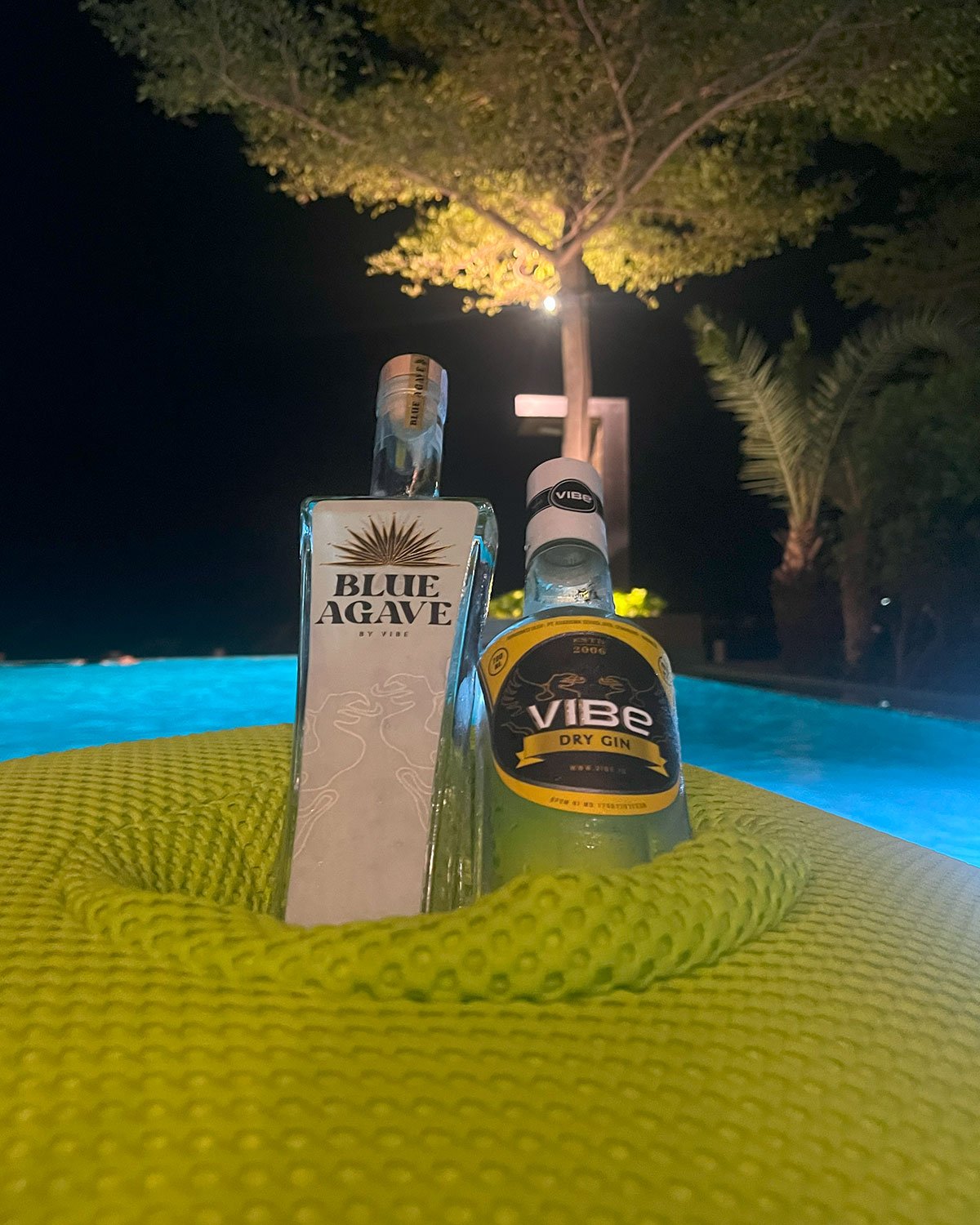
One example of a local producer showing quality on the global stage is VIBE Liqueur & Spirits. Their consistency is proven through a series of international awards, starting from being crowned Brand of The Year at the Asia International Spirits Competition 2019, to achieving medals for the Vibe Exotic Lychee and Vibe Peach products at The Liqueur Masters Asia, as well as Vibe Dry Gin at The World Gin Masters Asia in the same year.
Recognition of their quality grew stronger at the Ultimate Spirits Challenge (USC) 2020 in New York, where a lineup of flagship products such as Vibe Rum, Vibe Dry Gin, Vibe Black Tea, Vibe Vodka to Vibe Triple Sec managed to score highly satisfactory points. Recently, this string of positive achievements continues with awards won at the Asia World Spirits Competition 2026 in Singapore.
Besides maintaining world-class quality standards, innovation from the local industry also involves the exploration of endemic Archipelago raw materials. The result is a line of products offering flavor profiles with good characters, be it vodka, rum, gin, or liqueur, providing more credible options for consumers to explore various spirit categories objectively and responsibly.
Exploring Spirit Characters According to Taste
Finding the answer to delicious alcoholic beverages for beginners to the experienced culminates in one understanding: taste preference is subjective. Beverage characters are directly influenced by raw materials, fermentation, distillation, and maturation processes. Getting to know the spirit world is not an arena to prove bodily tolerance or a search for the hardest drink. It is about appreciating the long process behind a bottle of beverage, understanding its flavor character, and most importantly, always consuming it wisely and responsibly.
For those who want to start exploring a variety of quality flavors, Vibe Liqueur & Spirits is here as a choice of local Indonesian alcoholic beverages that has won various international awards. Offering various flavor variants with diverse alcohol content levels, this product range is very easily tailored to personal taste and is highly ideal used as a base for various refreshing cocktail recipes.
To expand insights around the beverage world, visit wekendvibe to get a complete guide on attractive venue recommendations, trendy cocktail recipe inspirations, and a variety of other unique information!
FAQ
What alcoholic beverages are suitable for beginners?
Beginners generally tend to like drinks with light, refreshing flavor profiles, or those that have a slight sweet taste balancing the alcohol sensation, such as the wine, liqueur, or basic cocktail categories. However, this again comes down to highly subjective individual tastes.
What makes vodka have a neutral character?
The neutral character of vodka comes from the use of multiple distillation methods until it reaches a high level of purity. The goal is to remove the dregs, color, and strong aromas of its base raw materials.
What is the difference between vodka and whisky?
The fundamental difference lies in the raw materials and the process. Vodka is distilled at a high level to have a neutral character and is not aged. Meanwhile, whisky is made from grains, distilled at a lower level to preserve flavor, and must be matured in wooden casks so its flavor becomes more complex.
Why does gin have a botanical aroma?
This aroma appears because in its production process, gin is infused with juniper berries and various other botanical mixtures (such as roots, spices, and orange peels), which release essential oils determining the aroma.
Are beverages with a higher alcohol content more delicious?
No. The alcohol content level (ABV) does not at all determine the quality or deliciousness of a beverage. The perception of deliciousness is entirely influenced by the balance of flavor, aroma, raw materials, and the drinker’s taste.
What is a neutral spirit?
Neutral spirit is pure alcohol with a very high content resulting from maximal distillation. This liquid has no prominent taste, color, or aroma and is often used by the industry as a basic raw material for making vodka, gin, or liqueur.
What is the difference between rum and whisky?
Rum is fermented and distilled from sugarcane derivatives like sugarcane juice or molasses, so it has a character more towards tropical fruit, caramel, and sweet spices. Whisky is fermented from grains or cereals (grain/malt) which provides a malty, bready, woody, or smoky character.
How do you understand the flavor character of alcoholic beverages?
The best way is to pay attention to its aroma first before tasting, let the beverage touch all parts of the tongue to feel its texture, analyze the aftertaste after drinking, and read the tasting notes information on the product label.