 Log in
 Register


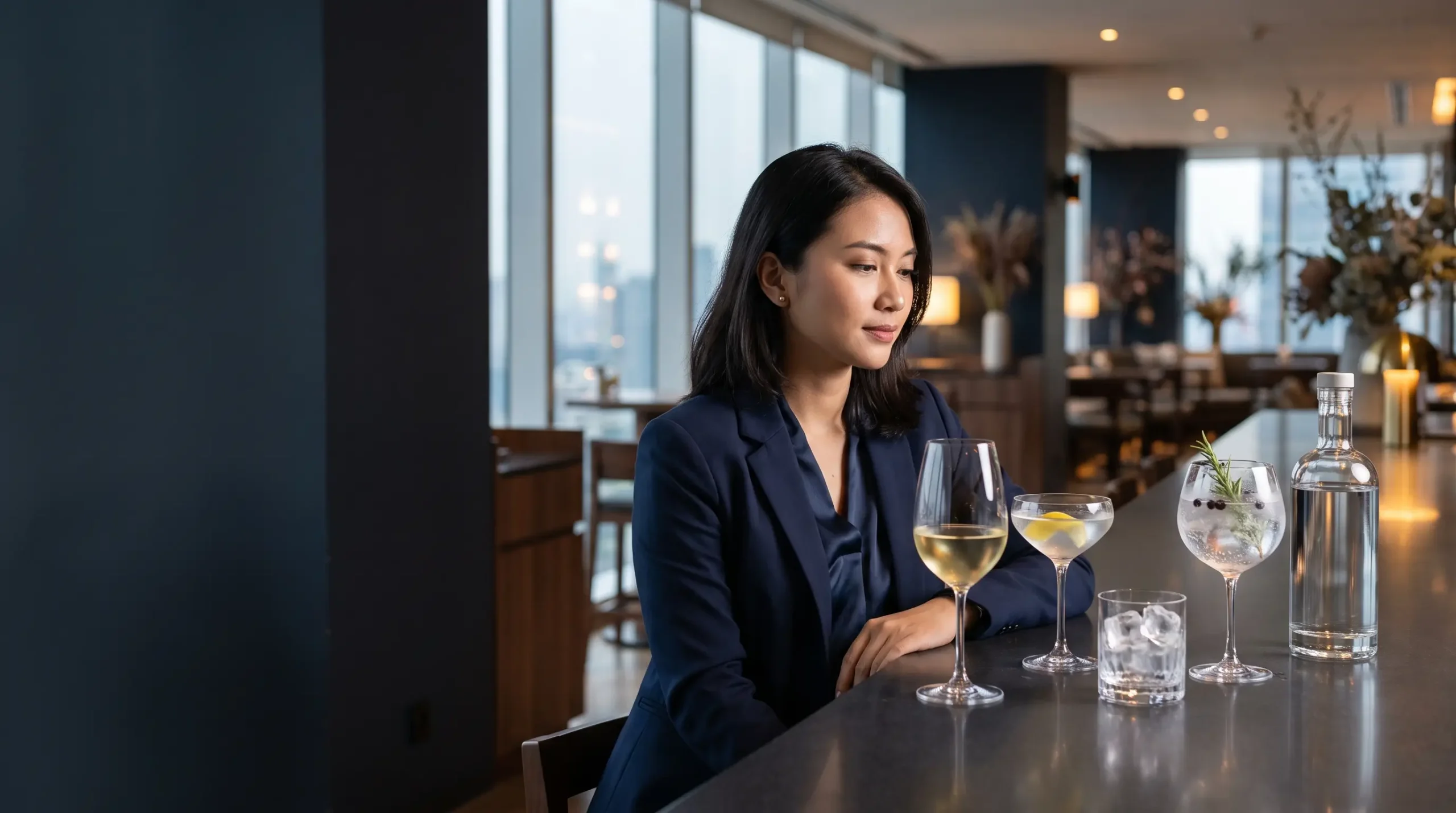
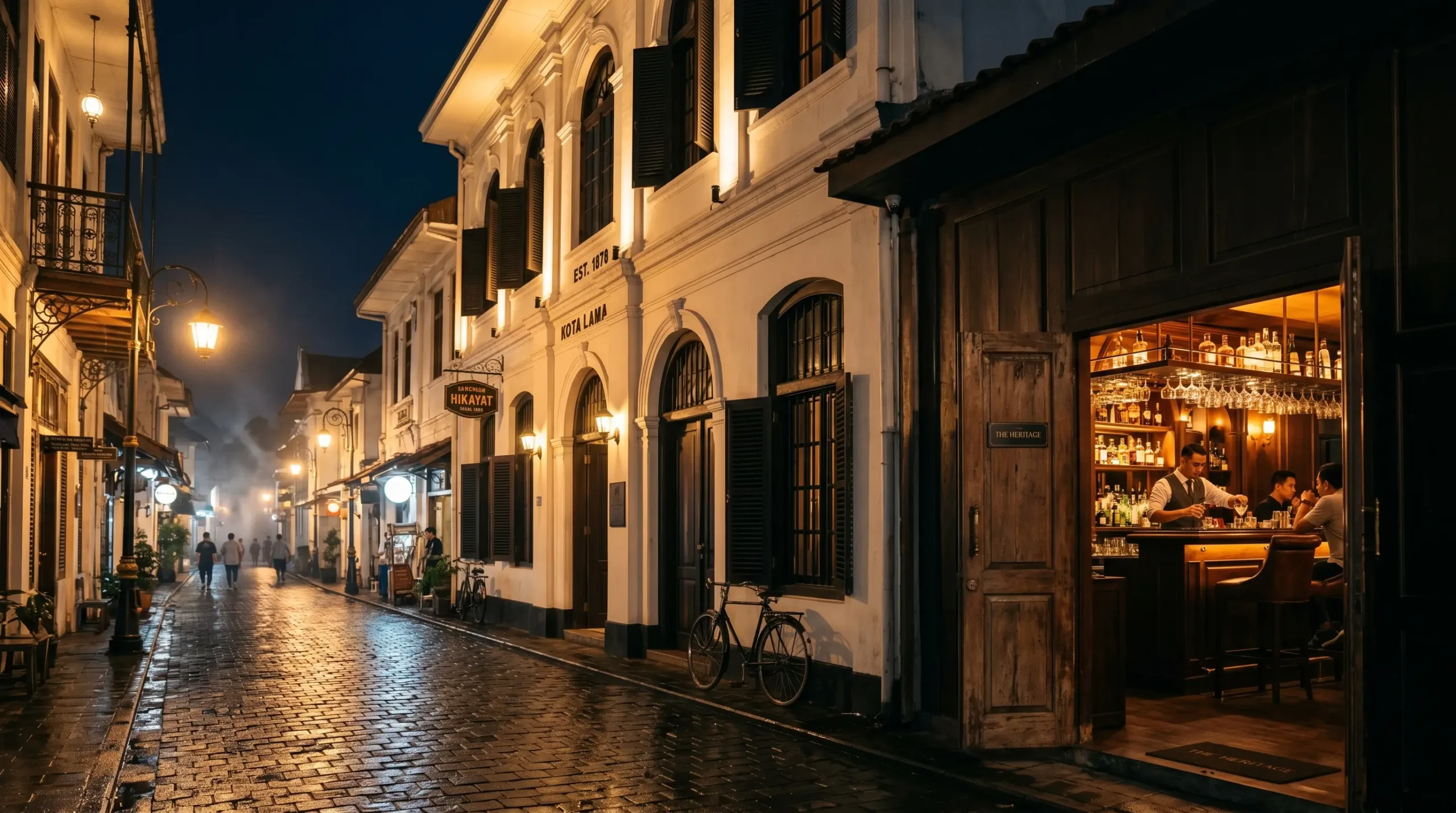
Discussing the favorite alcoholic beverages of Indonesian women cannot be separated from the development of the food and beverage (F&B) industry and the lifestyle culture in major cities. Along with the proliferation of bars, restaurants, and lounges with specific concepts, the choices of alcoholic beverages available on the market have become increasingly diverse. This diversity opens up a wider space for flavor exploration for consumers, including female consumers.
Understanding the trends and preferences of female consumers is a highly fascinating topic, especially for players in the beverage industry. However, it is important to underline that consumer tastes are not determined solely by gender. Assuming that all women only like one type of drink is an outdated stereotype.
In fact, preferences are heavily influenced by flavor profiles, occasions or moments of consumption, cultural backgrounds, price, accessibility, and the overall consumer experience. This article is compiled as a form of consumer education to dissect various types of alcoholic beverages for women based on their objective characteristics, without getting trapped in generalizations. The goal is to provide comprehensive insights into the popular alcoholic beverage choices in Indonesia today.
Factors Influencing Alcoholic Beverage Choices
In determining their choice of alcoholic beverages, consumers do not simply choose at random. There are various complex factors that shape the consumption patterns and preferences of female consumers in Indonesia. Here are some of the main elements:
Flavor and Aroma Profiles
Every individual has a different sensitivity in their taste buds. Some consumers may prefer sweet and fruity flavor profiles, while others better appreciate bitter, dry, or complex spicy aromas. Exploring these flavor profiles is often a major determining factor when someone orders a drink at a bar or buys it at a retail store.
Occasion or Context of Consumption
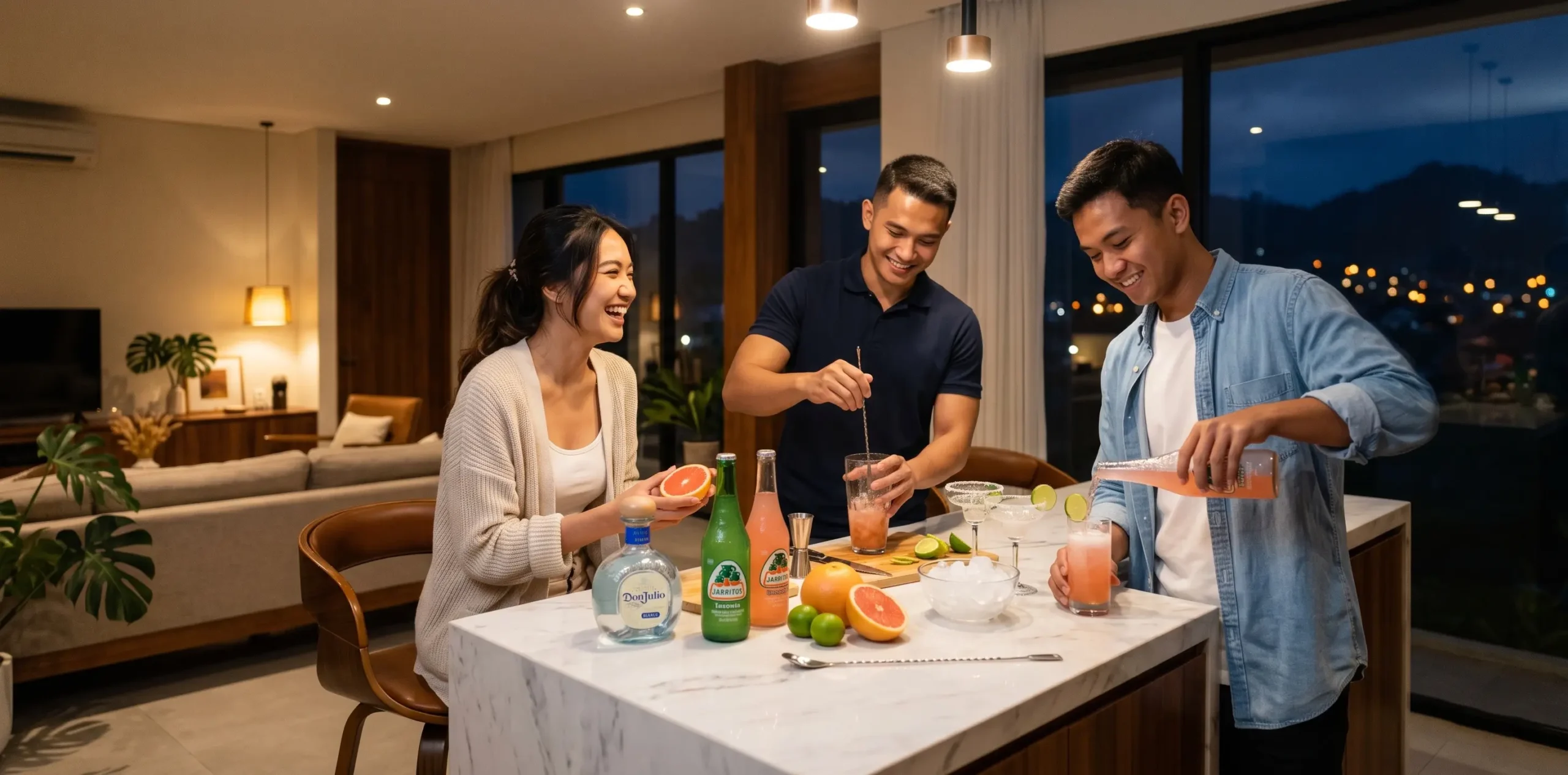
The moment or occasion largely determines the type of alcoholic beverage chosen. For example, a glass of sparkling wine is often chosen to celebrate a special moment or anniversary. On the other hand, a cold bottle of beer or a ready-to-drink (RTD) beverage might be the choice when relaxing by the beach or at a music festival.
Personal Preferences and Exploration
Past experiences with certain types of drinks will shape personal preferences. Consumers who enjoy culinary exploration are usually more open to trying various experimental cocktails or craft spirits. The level of bravery in trying new things (an adventurous palate) plays a huge role in the diversity of these choices.
Price and Availability
Market realities show that purchasing power and product availability heavily influence Indonesian alcoholic beverage trends. Imported products subject to high taxes naturally have a more specific market segment. The availability of certain brands in supermarkets or local bars also dictates what consumers ultimately purchase.
Influence of Lifestyle Trends and Social Media
Social media possesses significant power in shaping the visual perception of a product. Aesthetically presented (Instagrammable) drinks often attract initial attention. However, the brand image built through lifestyle campaigns on social media must be balanced with flavor quality for consumers to make repeat purchases.
Brand Image and Product Experience
A brand’s narrative, packaging design, and the values upheld by the producer also influence purchasing decisions. Modern consumers tend to choose products that align with their identities, whether in terms of exclusivity, environmentally friendly production methods, or brand support for local communities.
Types of Alcoholic Beverages Often Chosen by Consumers
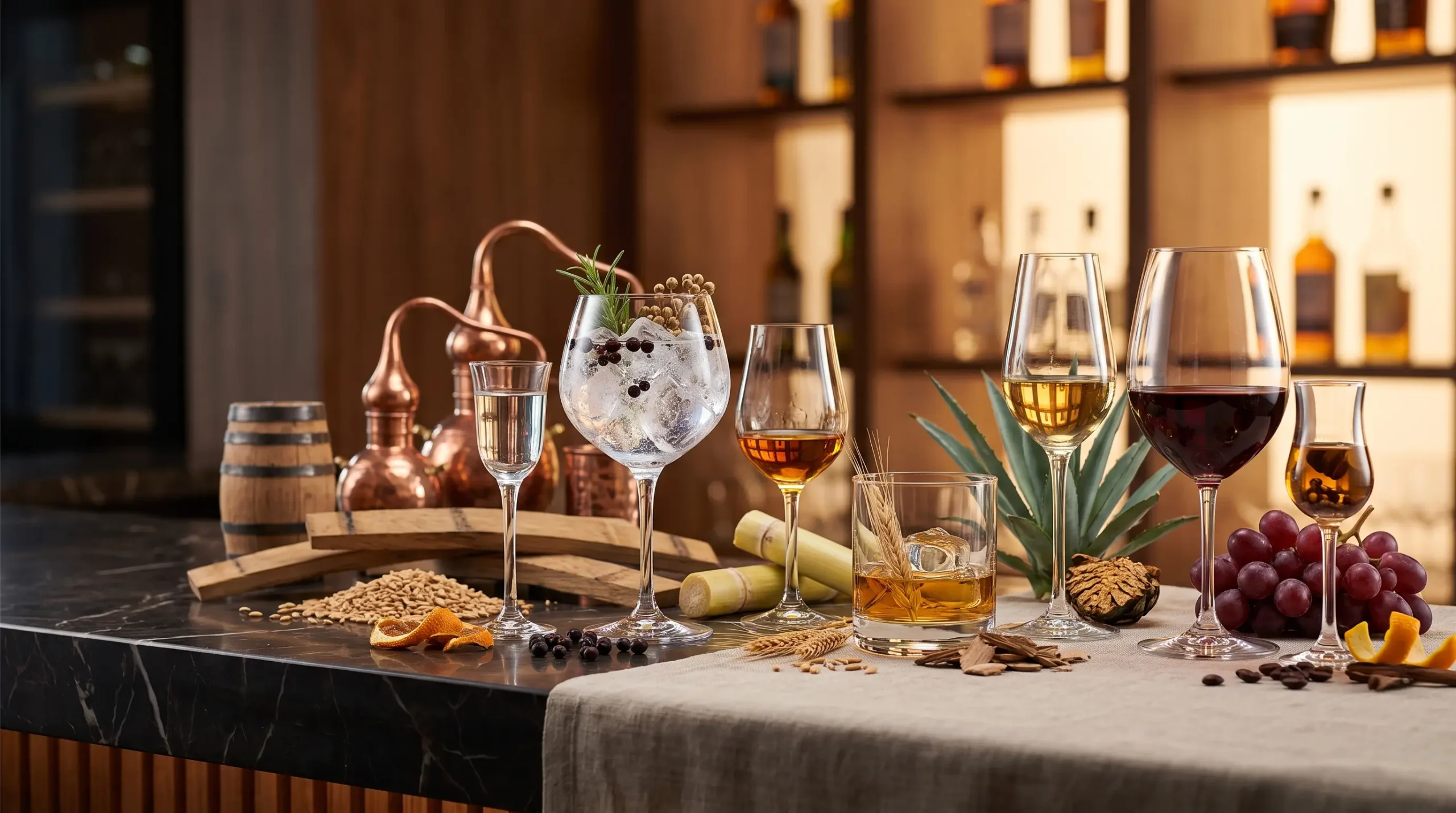
The various beverage categories below often make the list for consumer exploration in Indonesia. It is important to remember that each category has its own uniqueness, and no single type can be absolutely claimed as the sole favorite alcoholic beverage of Indonesian women.
Wine
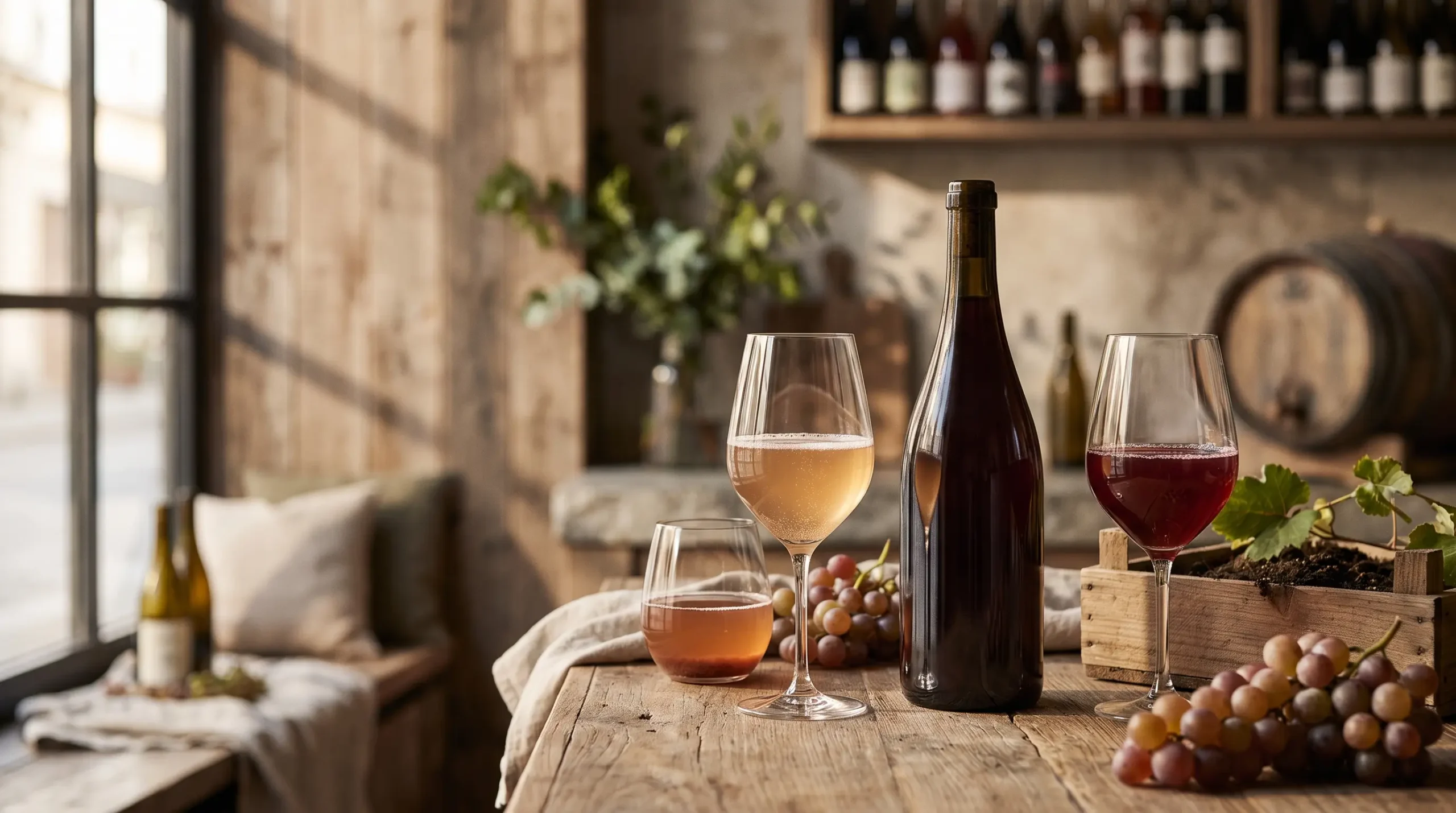
The category of wine, or fermented grapes, is one of the main pillars in the global beverage industry. This drink is very closely attached to dining culture and is often appreciated through its flavor complexity and aroma.
- Wine Characteristics: Wine is heavily influenced by the grape variety, the climate where the grapes are grown (terroir), and its production method.
- Red, White, and Sparkling: Red wine generally has a thicker profile with a tannin sensation that provides a dry texture in the mouth. White wine tends to be lighter, crisp, and often presents the aroma of tropical or citrus fruits. Meanwhile, sparkling wine (including Champagne and Prosecco) delivers a refreshing carbonation sensation.
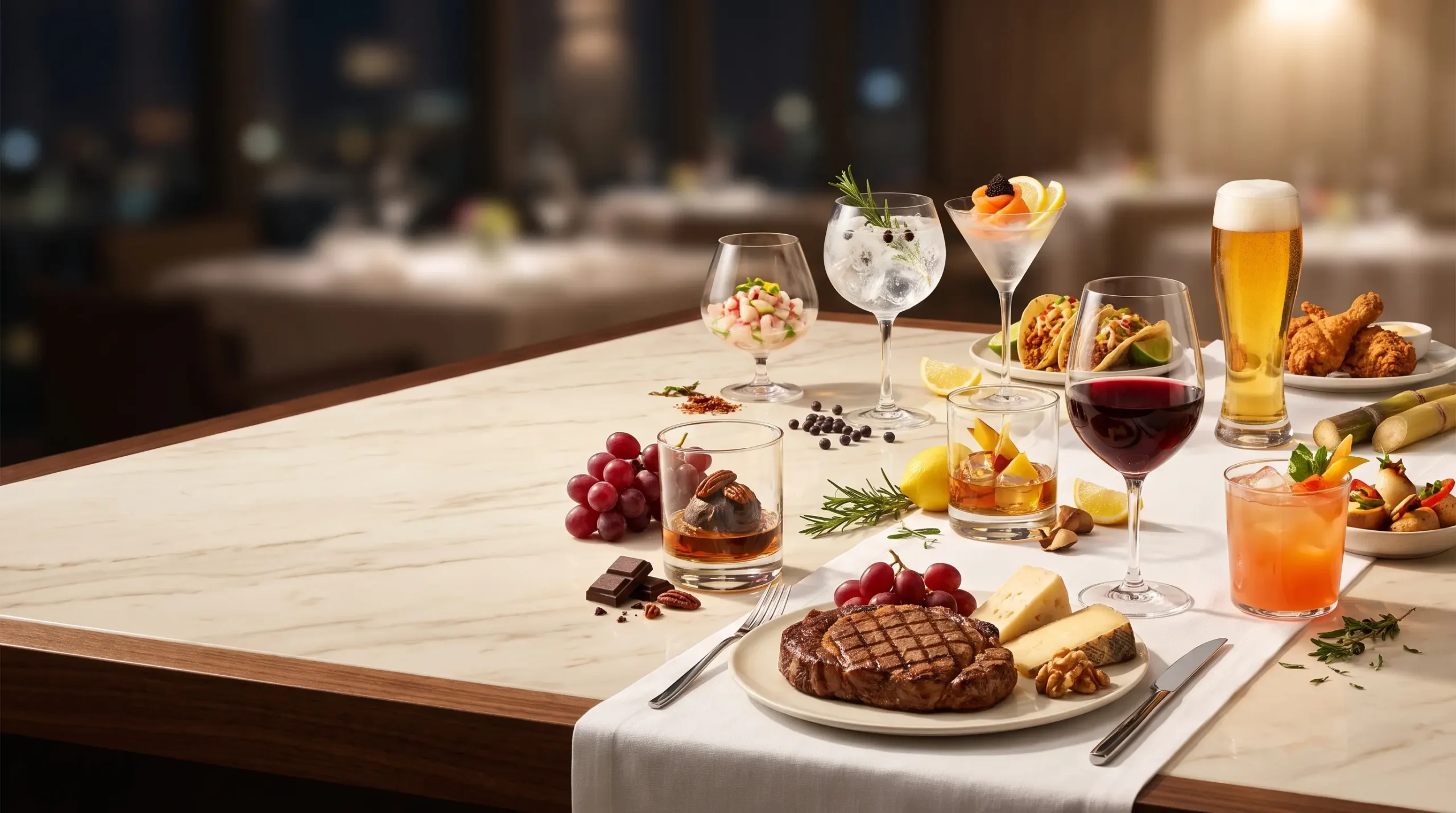
- Preference Factors: The choice of wine heavily depends on the accompanying food (food pairing) and the weather. In a tropical climate like Indonesia, chilled white wine or sparkling wine often feels more refreshing.
Cocktail
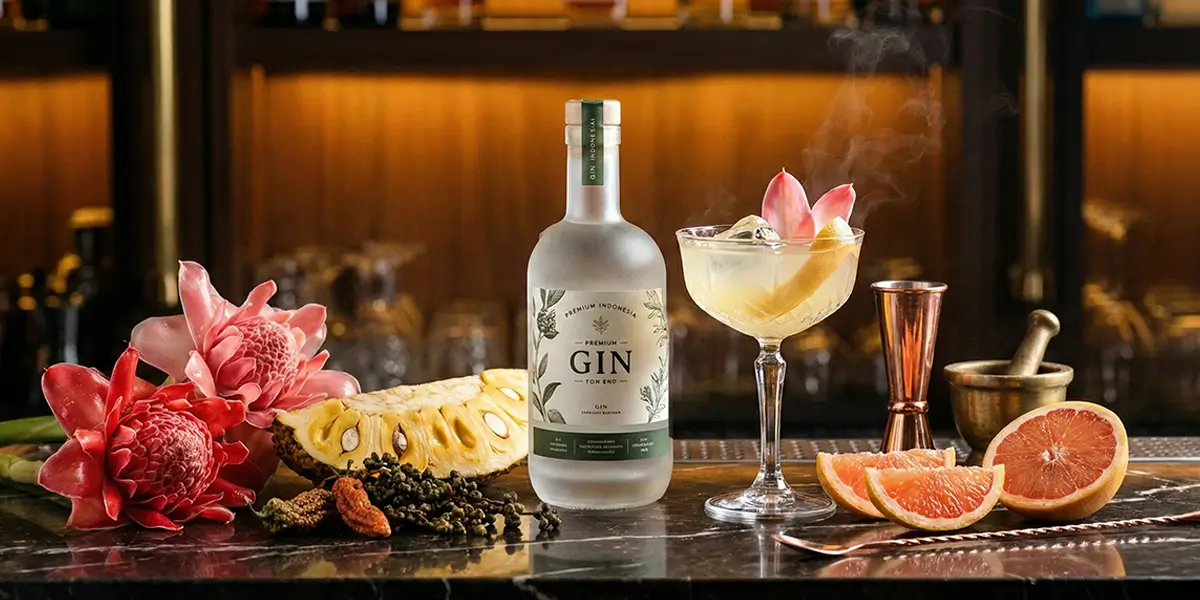
A Cocktail is the art of mixing drinks (mixology) that combines a base spirit (such as vodka, gin, or rum) with various other ingredients like fruit juice, syrup, bitters, and fresh herbs.
- Diversity of Flavor Profiles: Because of its mixed nature, cocktails offer an unlimited spectrum of flavors. Ranging from sweet, sour, savory, to smoky profiles, everything can be adjusted to consumer demands.
- Serving Methods: The addition of visual elements such as fresh fruit garnishes, edible flowers, or smoking techniques makes cocktails an integral part of the urban lifestyle experience.
- Alcohol Content Misconceptions: There is often an assumption that cocktails always have a low alcohol content due to their sweet or fruity taste. In fact, many classic cocktails like the Martini or Negroni have a very high alcohol by volume (ABV) percentage because their primary composition consists purely of various spirits.
Vodka
As one of the most popular spirits in the world, vodka plays an important role in the nightlife scene and the hospitality industry.
- Neutral Character: Vodka is known for its relatively neutral, clear character without a sharp aroma. This is achieved through repeated distillation and filtration processes.
- Use in Mixed Drinks: Its neutral nature makes vodka a perfect blank canvas for various mixed drinks. This drink is very easily combined with various fresh fruit juices, tonic, or soda without dominating the flavor of its mixers.
- Raw Material Differences: Although it tastes neutral, vodka made from wheat might provide a slightly different texture in the mouth compared to vodka made from potatoes or grapes.
Gin
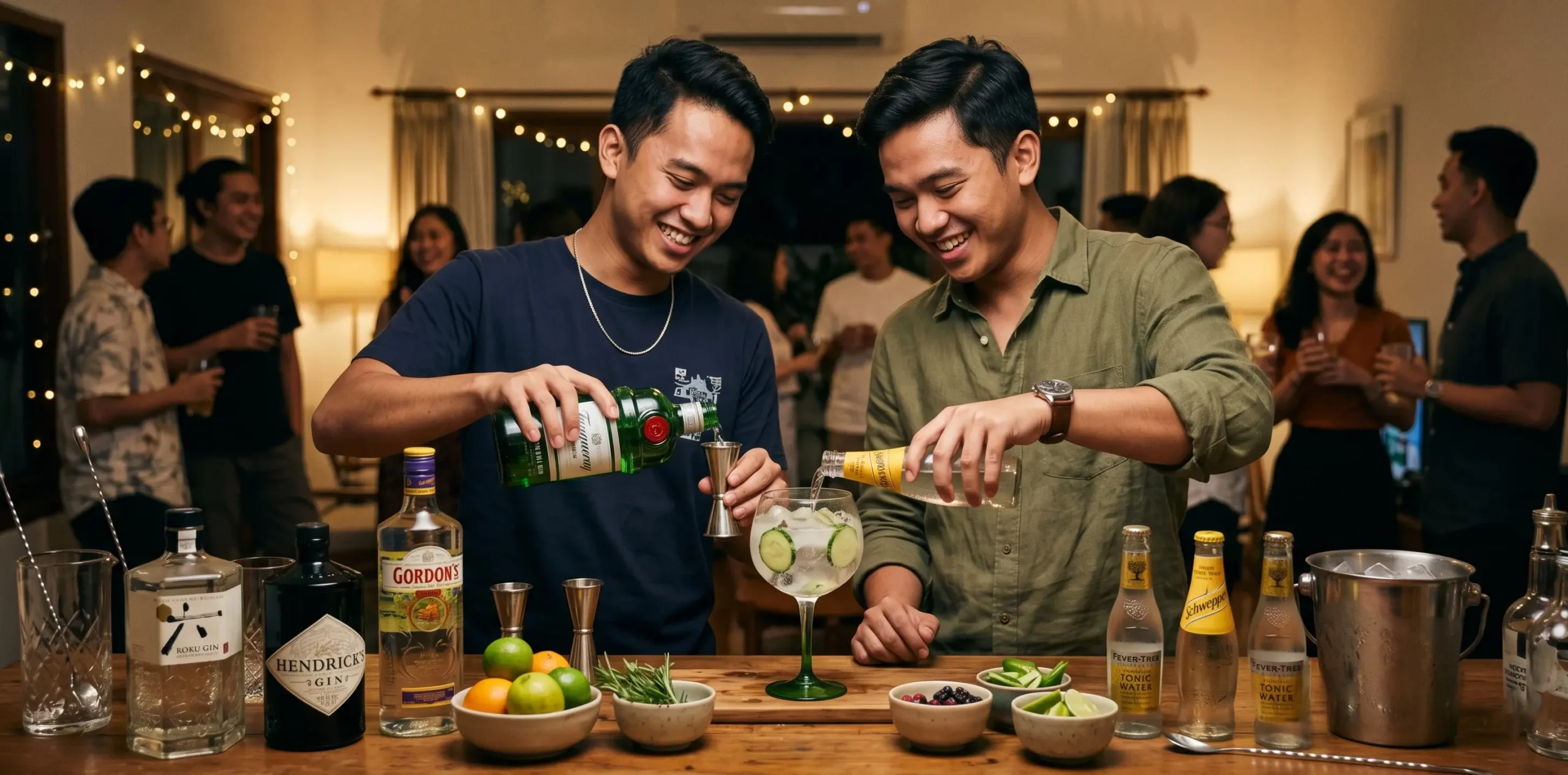
Gin has experienced a massive resurgence in popularity globally in recent years, and this trend is also strongly felt in major cities in Indonesia.
- Botanical Characters: The main characteristic of gin is the dominant aroma and flavor of juniper berries. Its production process involves infusing various botanical ingredients that provide a unique character.
- Variety of Aroma Profiles: Besides juniper, gin producers often add coriander, citrus peel, cardamom, angelica root, and various flowers. This creates a highly fragrant, complex, and refreshing aromatic profile.
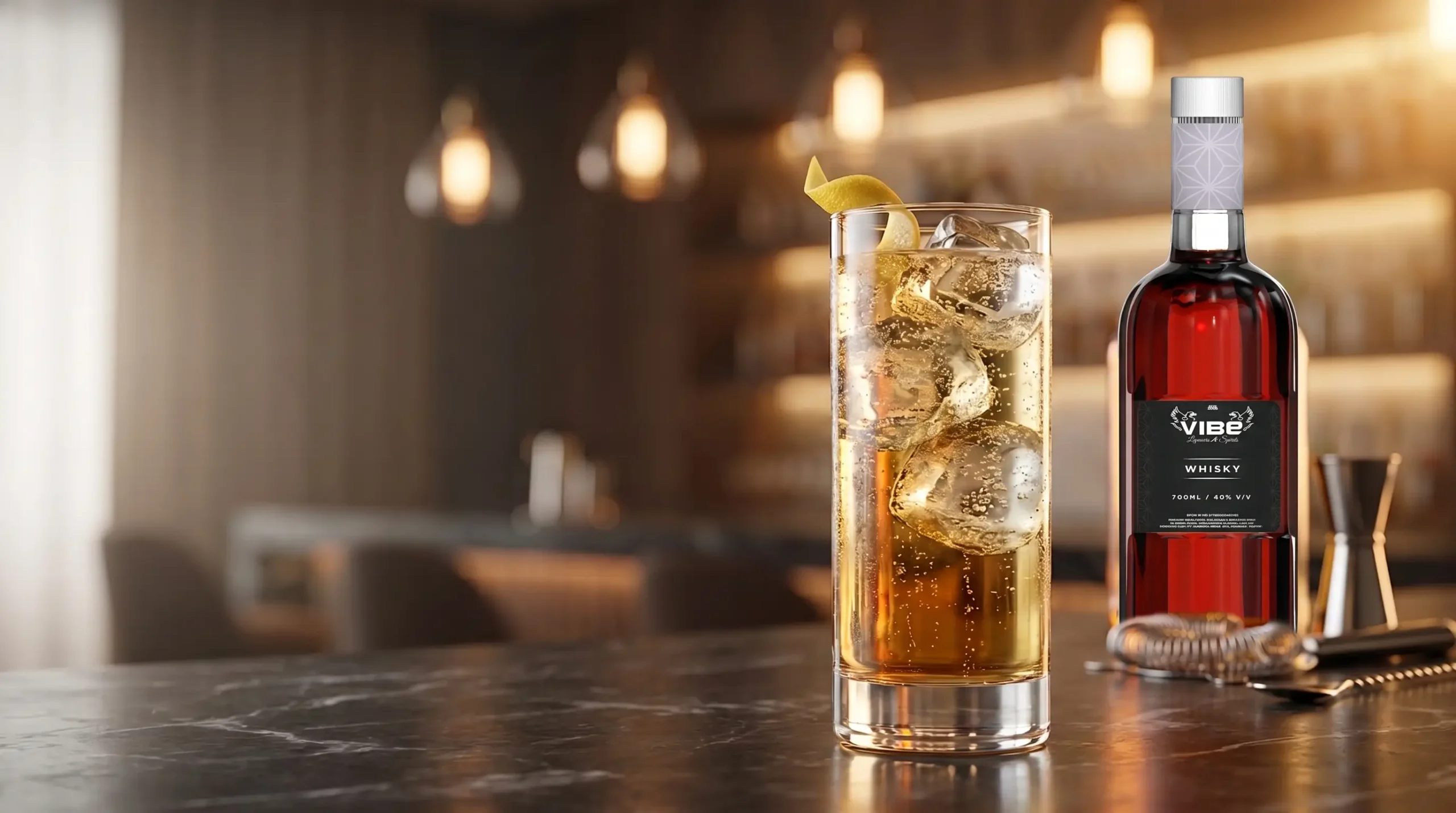
- Classic Uses: Gin is the main star in classic servings like the Gin and Tonic (G&T). Its freshness makes this alcoholic beverage suitable for both women and men to be enjoyed in warm tropical climates.
Liqueur
Liqueurs are often mistaken for pure liquor or spirits, whereas the two have significant technical differences.
- What is a Liqueur: A liqueur is an alcoholic beverage made from a base spirit (such as vodka, rum, or brandy) that is then sweetened with sugar and additional flavorings such as fruits, herbs, spices, nuts, or cream.
- Flavor Characters & Local Exploration: Due to the addition of sweeteners, liqueurs always have a sweet flavor profile with a slightly thicker texture. The flavor variants are very broad. Interestingly, the domestic industry also offers fruit flavor innovations that are highly familiar to the palates of Indonesian consumers. One example is Vibe Lychee from the local producer Vibe Liqueur & Spirits. Its aromatic profile and sweet, refreshing lychee flavor make this variant quite popular and easily accepted by various circles of drink enthusiasts.
- Functions of Liqueur: Beverages in this category are rarely consumed straight in large amounts. Liqueurs are typically used as flavor enhancers in cocktail recipes for example, blending lychee liqueur to make a Lychee Martini or served in small portions as an after-dinner drink (digestif).
Other Relevant Categories
Besides the classic categories above, the Indonesian market is also very familiar with carbonated ready-to-drink (RTD) products, cider (fermented apple drink), and Soju. The South Korean pop culture wave (Korean wave) has had a tangible impact on the increasing consumption of Soju in various Asian restaurants and supermarkets. Its diverse flavor characters and medium alcohol content make it one of the popular alcoholic beverages in Indonesia for casual gatherings.
Is There a Truly Ultimate Favorite Alcoholic Beverage for Indonesian Women?
Answering the question regarding the favorite alcoholic beverage of Indonesian women definitively requires caution. It is crucial to distinguish between trends on social media, field observations, and concrete market sales data.
Demographic Data Limitations
To date, there is no official statistical data published by open research institutions that specifically details the market share of alcoholic beverage preferences based on gender in Indonesia. Consumer sales and demographic data are generally closed and only held internally by respective brands or paid market research firms. Therefore, stating absolutely that one brand or one type of drink is the favorite of all women in Indonesia is a baseless claim.
Field Realities vs. Social Media Trends
A beverage’s popularity on social media is often driven by marketing campaigns or visual appeal. A pink cocktail might dominate photo uploads on digital platforms, but it does not necessarily become the largest sales volume contributor in a bar. Observations from the hospitality industry indicate that female consumers are as diverse as men; there are loyal stout beer patrons, single malt whisky enthusiasts, and dry wine fans.
In conclusion, consumer preferences are highly fragmented. Reading market trends must be done through an objective lens, understanding that the market consists of various individual segments with unique tastes that are not bound by gender limitations.
Alcoholic Beverage Trends and Consumer Lifestyle
The development of consumer preferences in Indonesia cannot be separated from macro beverage industry trends. There are several shifts in consumer behavior worth noting:
- Product Premiumization: There is a trend shift where consumers prefer to consume less, but with higher quality (drink less, but better). Consumers are willing to pay more for craft spirits or wines with quality and a story behind their production.
- Cocktail Culture Development: The bartender and mixologist professions are now increasingly respected. Consumers are becoming more educated about fresh ingredients, clarification methods, and complex drink-making techniques. This encourages the pursuit of a deeper flavor experience rather than simply getting drunk.
- Ready-to-Drink (RTD) Growth: The ready-to-drink beverage format in cans or small bottles has experienced rapid growth. The convenience offered perfectly suits the dynamic lifestyle of urban consumers. RTDs often offer friendlier flavor profiles with clearly measured alcohol contents.
- Exploration of Distinctive Local Characters: More and more local producers are incorporating Indonesia’s botanical wealth into their spirit products, such as using endemic spices of the archipelago. This attracts the interest of consumers who appreciate local innovation and cultural preservation.
It should be noted that although global trends influence the domestic industry, the Indonesian alcoholic beverage trend has its own adaptations tailored to local laws and socio-cultural norms.
Finding the Right Choice for Every Flavor Exploration
Exploring the favorite alcoholic beverages of Indonesian women proves that the beverage world is extremely vast and full of nuances. Alcoholic beverage choices cannot and should not be reduced to a single category based solely on stereotypes. Ranging from elegant wines, innovative cocktails, neutral vodkas, to gin rich in botanical aromas, all have their own special place in the hearts of their enthusiasts.
Ideally, the choice of a drink is based on an understanding of the product’s characteristics, the social context in which the drink is enjoyed, and the individual palate preferences. Having sufficient insight into the products consumed is a form of appreciation for culinary arts and hospitality.
For beverage enthusiasts who want to explore this variety of choices, Vibe Liqueur & Spirits stands as one of the best representations. As an Indonesian local alcohol brand that has won various international awards, this product offers various flavor variants with a wide range of alcohol content. The flavor flexibility of each variant is also highly ideal for creating various delicious and refreshing cocktail recipes.
In addition, Wekendvibe is worth visiting to complement this lifestyle experience. It provides a curation of the latest information on interesting venue, cocktail recipe guides, and various other unique information surrounding lifestyle ready to color relaxing moments.
As an important reminder, this article is intended as an informational educational tool. Always apply the principles of responsible alcohol consumption (drink responsibly), understand your body’s tolerance limits, never drive under the influence of alcohol, and obey the minimum legal drinking age regulation of 21 years old (21+) applicable in Indonesia.
FAQ (Frequently Asked Questions)
1. What is the favorite alcoholic beverage of Indonesian women? There is no single type of drink that is universally the favorite of all Indonesian women. Preferences are very diverse and individual, depending on personal tastes for flavor (sweet, dry, bitter), price, and the moment of consumption.
2. What types of alcoholic beverages are popular in Indonesia? Several popular categories on the market include wine (red, white, and sparkling), cocktail mixes, base spirits like vodka and gin, beer, Soju, and the ready-to-drink category.
3. What is the difference between wine, vodka, gin, and liqueur? Wine is the product of fermented grapes. Vodka is a distilled spirit with a neutral character. Gin is a spirit infused with botanical ingredients, primarily juniper berries. Meanwhile, a liqueur is a spirit that has been sweetened with sugar and additional flavorings.
4. Do cocktails always have a low alcohol content? No. A cocktail’s sweet or fruity flavor characteristics do not represent its alcohol content. Many types of classic cocktails are mixed purely from a blend of several spirits, giving them a quite high alcohol percentage.
5. What factors influence alcoholic beverage preferences? Drink choices are influenced by the taste buds’ sensitivity to flavor and aroma, the moment of consumption (occasion), purchasing power, societal lifestyle trends, and the brand image of the product.
6. Do all Indonesian women have the same drink preferences? Of course not. The assumption that women only like one type of flavor (for example, only liking sweet drinks) is a false stereotype. Many women enjoy drinks with dry, bitter profiles, or even pure spirits with strong flavors.
7. How to determine the popularity of alcoholic beverages based on data? The most accurate popularity data is obtained from official market research reports, statistical agency publications, or internal hospitality industry data. Without the availability of public research data, trend claims only rely on general industry observations.