 Log in
 Register


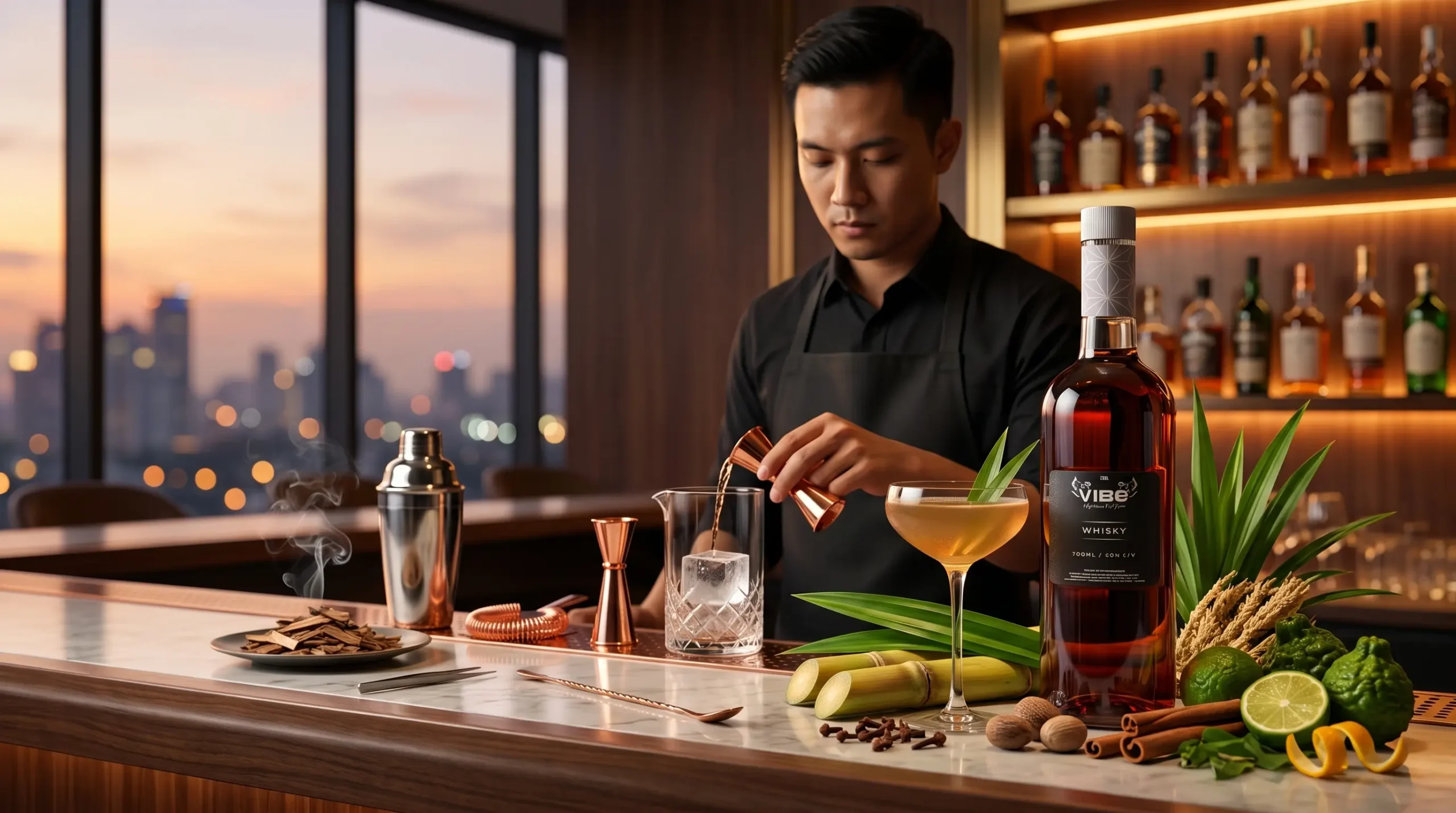
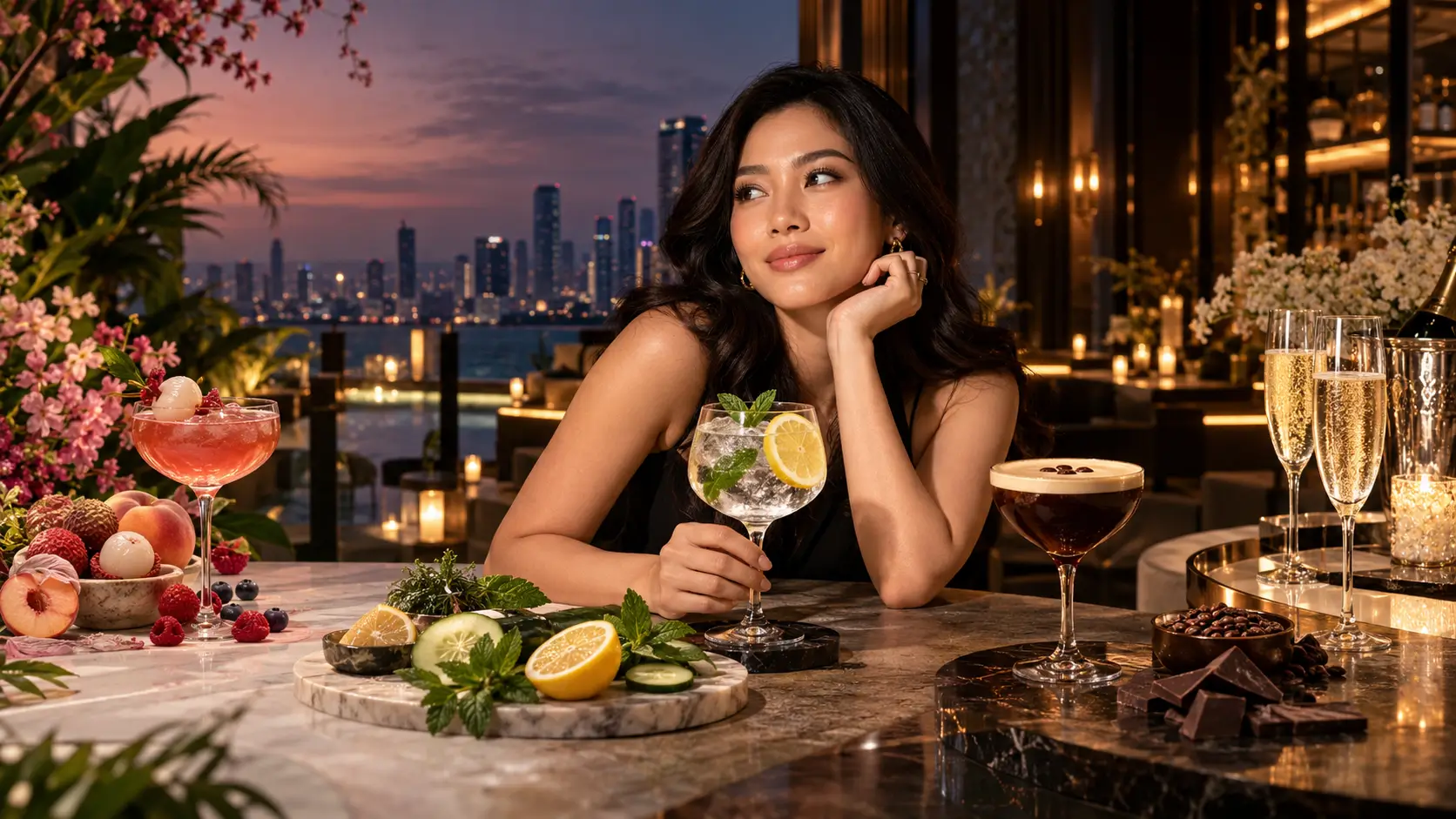
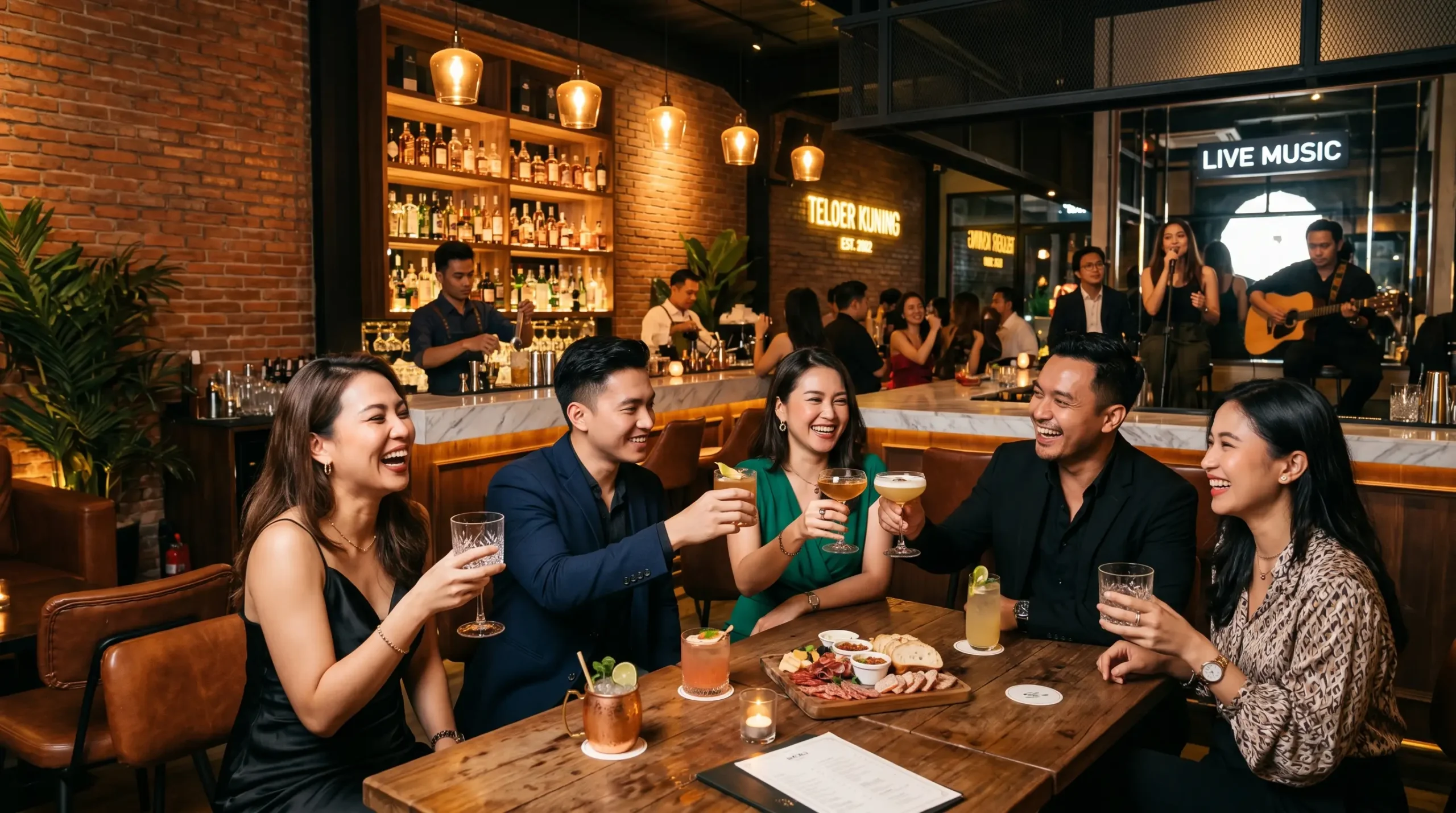
The hospitality and nightlife industry in the capital city is undergoing a remarkable transformation. If a decade ago Jakarta’s cocktail scene relied heavily on imported bottles from Europe or America, the narrative is now beginning to shift. Tracing the row of speakeasy bars in Senopati, SCBD, to Menteng, more and more professional Jakarta bartenders are proudly displaying an array of local Indonesian alcohol on their main shelves.
The increasing creativity of Indonesian bartenders has birthed a new movement (craft cocktail movement) that prioritizes local identity. The exploration of local ingredients is no longer limited to the use of tropical fruits or spices as garnishes, but has touched the main foundation of a drink: the base spirit. This shift from a reliance on imported ingredients toward the exploration of Indonesian craft spirits marks an era of maturity in the modern mixology world in the homeland.
This article will dissect in depth why a number of premium bars have started to make local Indonesian alcohol the star, how these ingredients are changing the character of Indonesian cocktails, and why local identity has become a crucial element in serving an unforgettable drinking experience.
The Evolution and Development of Jakarta’s Cocktail Scene
To understand why local Indonesian alcohol is now taking the stage, it is important to look at the track record of the development of Jakarta’s cocktail scene. Over the past five years, the quality of cocktail bars in Jakarta has experienced exponential improvement. The public no longer comes to bars simply to seek standard alcoholic beverages, but to seek a complex sensory and gastronomic experience (experiential dining).
The Emergence of Creative Bartenders and Global Standards
The current generation of Jakarta bartenders is highly educated. They understand the chemistry behind fermentation, distillation, and flavor extraction. With this knowledge, bartenders have begun experimenting with modern techniques such as fat-washing, clarification, and sous-vide using raw ingredients unique to the archipelago.
The Influence of International Award Events
The inclusion of several bar names from Jakarta and Bali into prestigious lists such as Asia’s 50 Best Bars has provided great motivation for the industry. Bars that have successfully achieved global recognition are generally those with strong identities and distinct local characters. This has made the food and beverage (F&B) industry realize that to compete in the international arena, the industry cannot simply copy Western styles, but must highlight Indonesian gastronomic DNA. Appreciation for craft cocktails has also risen sharply, creating a demographic of critical customers thirsty for innovation.
Why Are Professional Bartenders Starting to Use Local Alcohol?
The use of local Indonesian alcohol in the realm of mixology is not a gimmick or a passing trend. There are various strategic, philosophical, and technical reasons that have made this trend grow rapidly among Jakarta bartenders.
- Unique Flavor Characteristics (Archipelago Terroir): Every region has terroir, the geographical environmental characteristics that affect the taste of agricultural products. Sugarcane grown in Java, rice from Bali, or spices from Sumatra produce flavor profiles that cannot be replicated by imported spirits. Bartenders utilize the uniqueness of these tasting notes to create new exotic and surprising flavor dimensions, such as earthy, umami, and distinct floral aromas.
- Opportunities to Create Signature Cocktails: In the competitive hospitality industry, having a signature cocktail that cannot be found elsewhere is an absolute advantage. Using imported rum to make a Daiquiri might produce a good and standard taste. However, mixing a Daiquiri using Balinese arak that has been infused with pandan leaves will create an exclusive Indonesian cocktail identity for that bar.
- Supporting Local Producers and Sustainability: The concept of sustainability is now an important pillar in the hospitality industry. Importing liquor bottles from other continents produces a very high carbon footprint. By implementing local sourcing, bartenders directly cut carbon emissions while supporting the creative economy ecosystem and local farmers. This approach is in line with the farm-to-glass movement that is globally popular.
- Stronger Storytelling: Modern guests seek meaning behind what they consume. Explaining that an Indonesian craft spirit is made by a traditional distiller in Karangasem with a recipe handed down through generations provides a far higher emotional value than serving a mass-produced commercial brand.
Types of Local Indonesian Alcohol Frequently Used in Cocktails
The natural wealth of the archipelago produces various types of local spirits that are now starting to fill menus in premium bars. Here are several categories of local Indonesian alcohol worth considering:
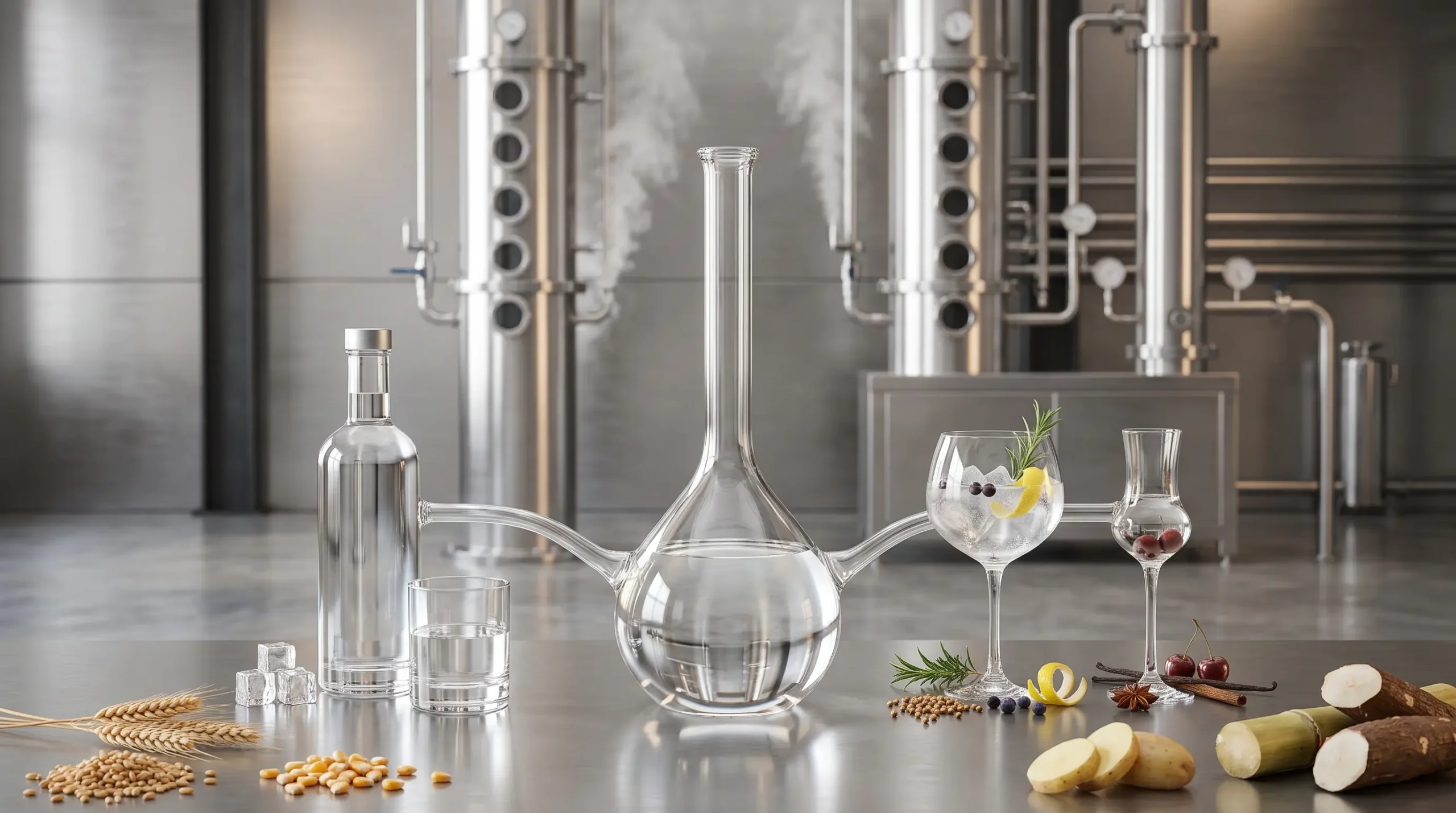
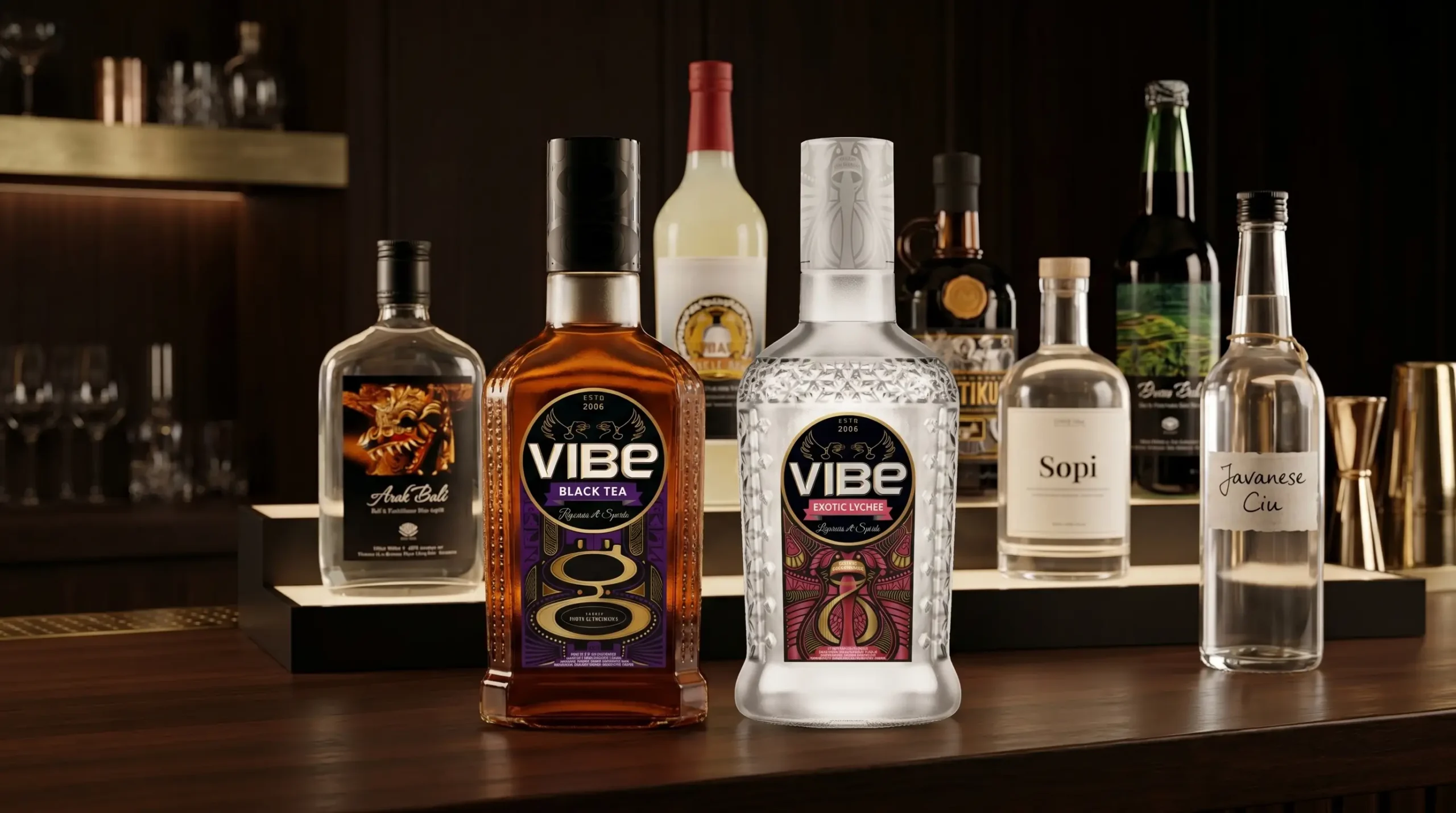
- Vibe Liqueur & Spirit: As one of the established commercial local brand portfolios in the F&B industry, Vibe Liqueur & Spirit has become the backbone for many beverage programs in premium clubs and bars in Jakarta. This brand offers a very comprehensive product line, ranging from base spirits like Vodka, Rum, and Gin, to an array of exotic liqueurs such as Lychee, melon, and blue curacao. Its main advantage lies in quality consistency and a stable supply chain. Its flavor profile is specifically formulated to meet modern mixology standards, allowing bartenders to consistently mix cocktails that are vibrant and precise in flavor without having to rely on imported supplies.
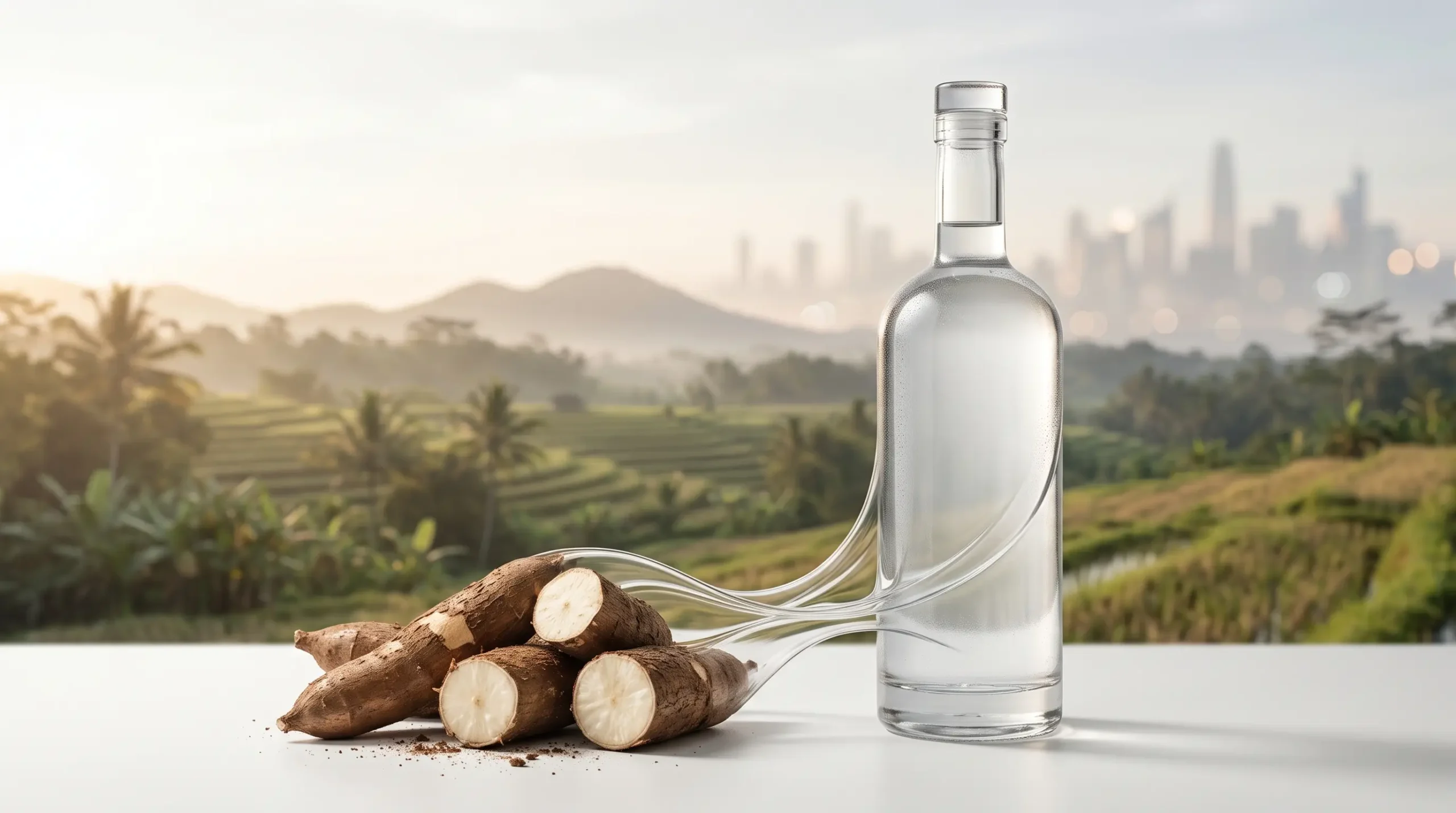
- Balinese Arak (Arak Bali): Traditionally made from fermented coconut sap, lontar, or rice. Balinese Arak has a long history and has now obtained a Geographical Indication (GI) Certificate. Several modern producers have used international standard distillation techniques to produce premium arak that is smooth, clean, yet still retains its distinct aroma. Arak is highly versatile and is often used as a substitute for white rum or vodka.
- Batavia Arrack (Arak Batavia): This is the “forefather” of rum whose history stretches back to the 17th century during the VOC era. Made from sugarcane molasses and local red rice that is fermented, Batavia Arrack was once a star in Europe and was the main ingredient for making Swedish Punch. Today, Batavia Arrack is popular again in Jakarta bars as a component that brings incredibly elegant funky, earthy, and slightly smoky aromas.
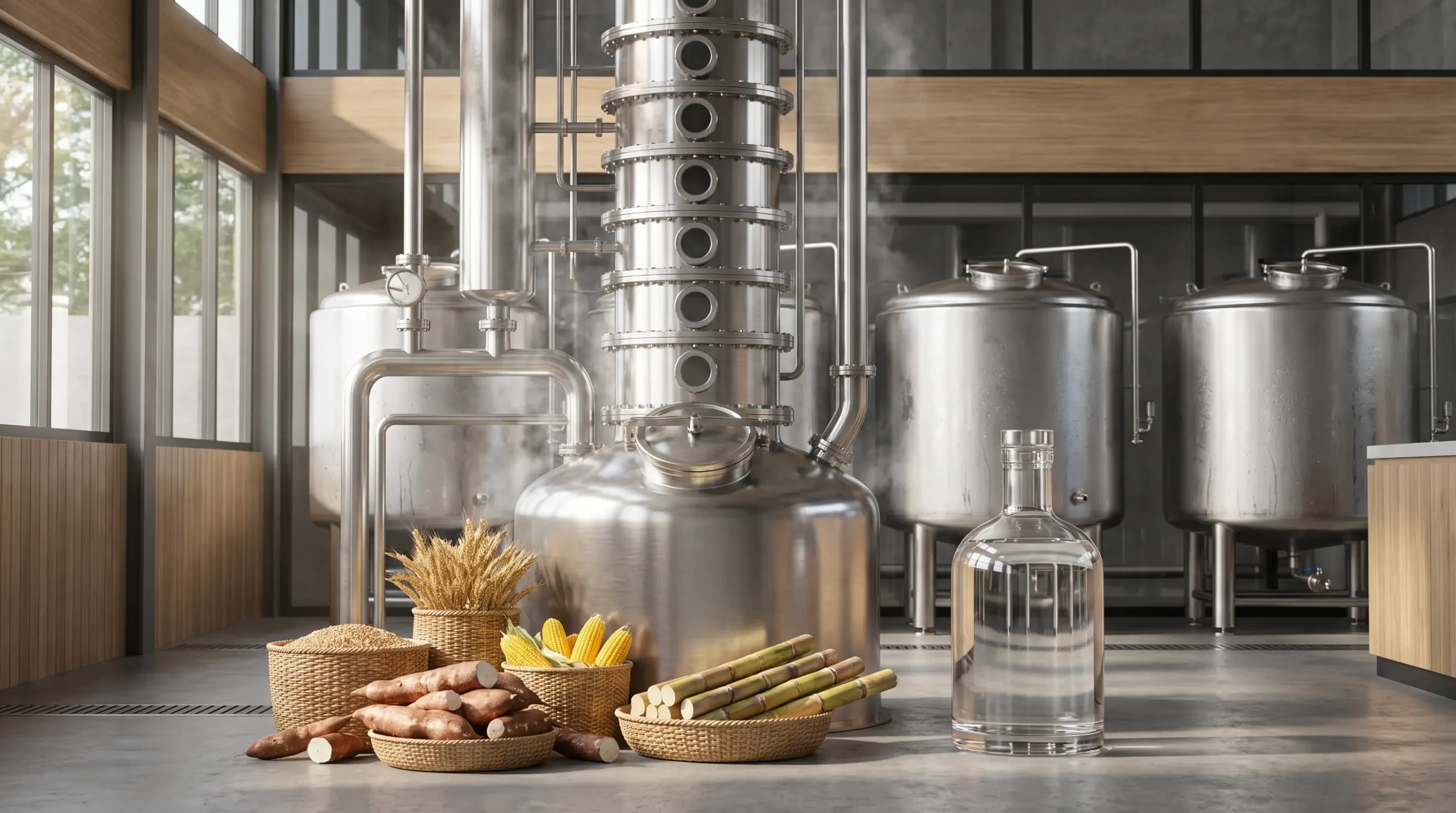
- Local Rum and Craft Gin: Aside from traditional spirits, a number of local distilleries now produce Western-style spirits with an archipelago touch. Several Indonesian rum brands utilize high-quality local sugarcane to produce international-standard white rum and spiced rum. In the gin category, many Indonesian craft spirits have started using local botanicals such as torch ginger (kecombrang), andaliman, cardamom, and calamansi to create a London Dry style with a tropical soul.
Profile of Indonesian Local Spirits
| Spirit Type | Origin Region | Flavor Characteristics (Tasting Notes) | Suitable for Cocktails |
| Balinese Arak (Rice/Sap) | Bali | Slightly sweet, earthy, floral, sometimes with savory nuances. | Mojito twist, Gimlet, Tropical Punch. |
| Batavia Arrack | Java | Funky (high ester), dark caramel, smoky, sugarcane, spice. | Old Fashioned, Mai Tai, Daiquiri. |
| Local Indonesian Rum | Java / Bali | Natural sugarcane sweetness, vanilla, tropical fruit, coconut. | Pina Colada, Cuba Libre, Tiki Drinks. |
| Archipelago Craft Gin | Various Regions | Light juniper, citrusy (calamansi/kaffir lime), spicy (andaliman/pepper). | Gin & Tonic, Negroni, Martini. |
| Vibe Liqueur & Spirit | Indonesia | Highly varied; clean & crisp for base spirits, sweet and fruity for liqueurs. | Lychee Martini, Cosmopolitan, Kamikaze, Illusion. |
How is Local Alcohol Changing the Character of Modern Cocktails?
When Jakarta bartenders pour local spirits into a shaker or mixing glass, a significant flavor transformation occurs. The cocktail’s character is no longer linear.
- Flavor Complexity and Umami: Many local spirits, especially those based on fermented red rice like Batavia Arrack, carry umami (savory) elements that are very rarely found in Western liquors. The presence of this umami balances the sweet and sour flavors, providing a long finish profile in the mouth.
- Strengthening Distinct Archipelago Aromas: The use of local Indonesian ingredients such as spices (nutmeg, clove, cinnamon) and tropical fruits (jackfruit, soursop, snake fruit) blends perfectly with local Indonesian alcohol. Bartenders often do not need to add too much artificial sweetener because the local botanical aromas from craft gin or rum already provide a rich flavor perception.
The Role of Bartenders as Flavor Innovators and the Importance of Storytelling
In the era of experiential dining, the role of the bartender has gone beyond just a drink mixer. They are flavor innovators, tasked with translating cultural wealth into a glass.
The concept of “drink with a story” has become a main selling point. When a customer orders an Indonesian cocktail, the bartender has the opportunity to engage in storytelling. They tell the origins of the ingredients making up the drink, starting from the local farmer groups who harvested the spices, to the traditional copper distillation process used. Customers start seeking locally flavored cocktails because they desire an emotional connection and appreciation for regional culture (Indonesian gastronomy), presented through a modern lens.
Global Trends Supporting the Use of Local Spirits
The decision by Jakarta bartenders to focus on local Indonesian alcohol is actually in line with various mixology trends currently dominating major world cities like London, Tokyo, and New York.
- Zero-Mile Cocktails & Local Sourcing: Prioritizing raw ingredients obtained within the closest geographical radius to guarantee freshness and reduce emissions.
- Regional Identity: The world’s best bars now no longer serve uniform classic menus. They create menus that define where they are from (example: a bar in Mexico will prominently feature local Mezcal and agave, while in Indonesia it highlights arak and spices).
- Sustainability Movement: A zero-waste approach where fruit pulp or leftover spices are reprocessed (example: citrus husks are made into oleo saccharum), which is easiest to do if the supply chain is located close to the bar.
Challenges of Using Local Alcohol in the Hospitality Industry
Despite having tremendous potential, the transition toward using one hundred percent local ingredients is not without hurdles. A number of challenges are still faced by professional bars and bartenders:
- Quality Consistency (Batch Consistency): Some traditional local beverages are still produced on a home-scale. This sometimes causes fluctuations in ABV (Alcohol by Volume) levels and flavor profiles from one batch to another, which makes it difficult for bartenders to maintain cocktail flavor consistency.
- Regulation and Availability: Rules regarding the distribution of alcoholic beverages and excise tax bands in Indonesia are quite strict. Sometimes, high-quality products from the regions have difficulty distributing their products widely to the capital.
- Customer Education: Changing the mindset of consumers who for decades have considered imported products as prestige status symbols requires time, patience, and excellent communication skills from the frontliners.
The Future of Indonesian Local Spirit-Based Cocktails
Looking at the existing momentum, the future of Indonesian cocktails is very bright. Collaboration between bartenders, craft spirit makers, and the government will open the door to promising gastronomic tourism. Foreign tourists will come to Jakarta or Bali not only to enjoy the culture and nature, but specifically to do bar-hopping tours to taste local spirit concoctions.
Export opportunities for Indonesian craft spirits are also opening up wider, where the homeland’s proud bottles have the potential to stand alongside Tequila, Mezcal, or Soju in the global market. Ultimately, the innovation carried out by bartenders in Jakarta is not merely a drink-mixing trend, but a local pride movement that cements Indonesia’s identity on the world mixology map.
Celebrating Local Identity with Vibe Liqueur & Spirit
The exploration of archipelago raw ingredients by professional bartenders in Jakarta proves that the local F&B industry has entered a new phase of maturity. The use of local Indonesian alcohol is no longer looked down upon, but has become the main foundation in the modern craft cocktail movement. Through flavor innovation, commitment to sustainability, and the power of storytelling, bartenders not only serve high-quality drinks, but also celebrate the wealth of Indonesian gastronomic identity. This trend ensures that the future of homeland mixology has a strong footing to continue shining on the global stage.
To support innovation in mixing drinks, finding premium quality local Indonesian alcohol is now no longer a challenge. Vibe Liqueur & Spirit is present as a premier choice whose quality has been proven globally by winning various prestigious international awards. As a tangible manifestation of the excellence of archipelago spirits, Vibe presents a highly comprehensive product line, offering various exotic flavor variants with diverse alcohol contents (ABV). The flexibility and flavor consistency offered make it highly ideal for application in various cocktail recipes, ranging from classic twists to modern signature drinks.
For further inspiration, visit Wekendvibe. Discover curated top entertainment venues, exclusive cocktail recipe guides, the latest mixology trends, as well as a variety of other unique information surrounding hospitality and nightlife culture that should not be missed.