 Log in
 Register


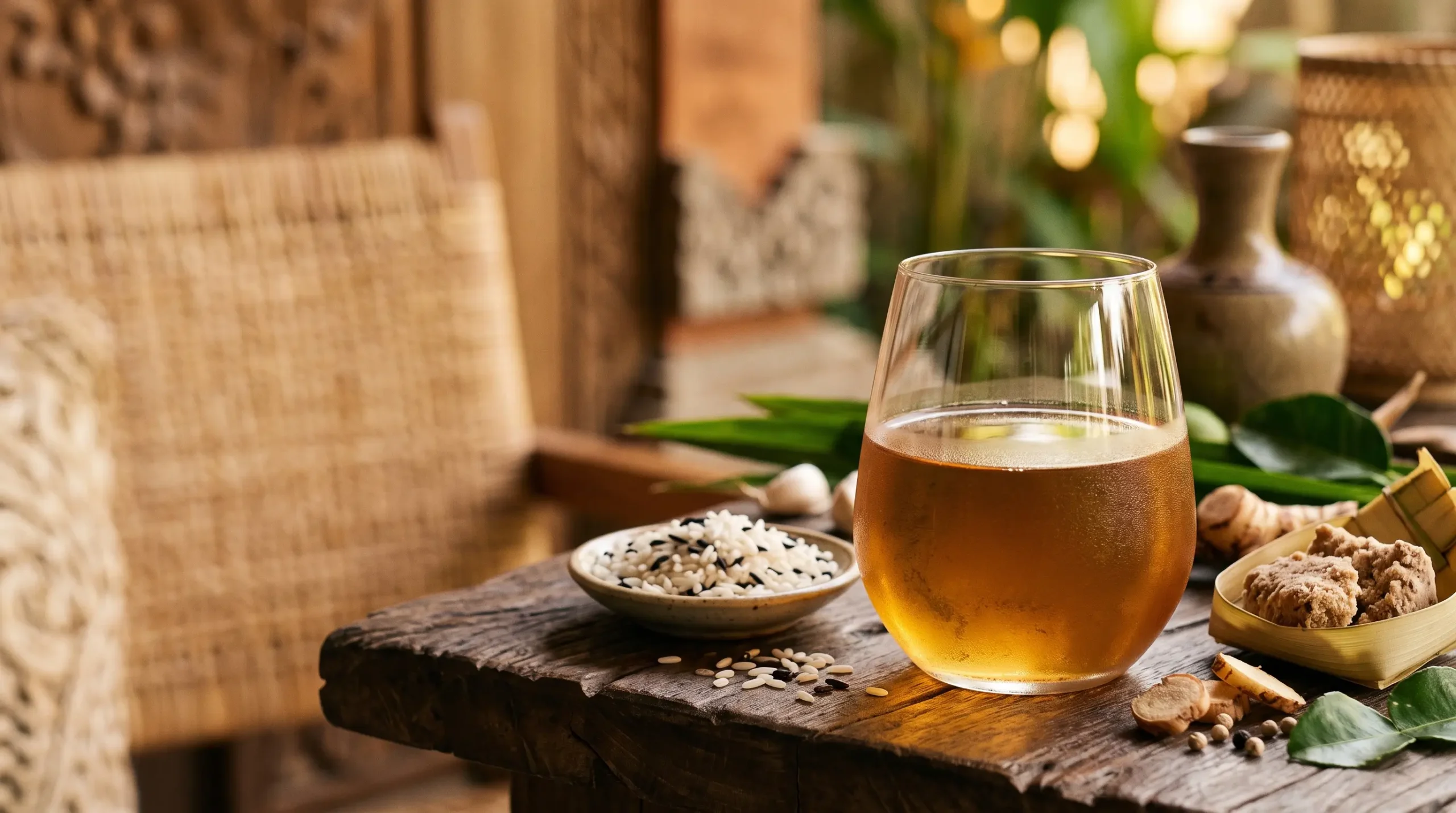
The Island of Gods holds layers upon layers of culinary wealth that often escape the tourist radar. Behind the bustling modern culinary scene and the popularity of traditional arak, lies a fermented beverage tradition made from glutinous rice with a truly unique character. Widely known as Bali brem, this golden-to-brown liquid offers a flavor experience that blends sweet notes, refreshing acidity, and the distinct warmth of local fermentation.
Although its name is often associated with the solid snack from Madiun, Bali brem has a completely different identity, form, and processing method. This beverage not only serves as a complementary element for certain traditional rituals, but it also stands as a masterpiece of ancestral fermentation craftsmanship that deserves greater appreciation on the stage of Indonesian gastronomy.
What Is Bali Brem and Why Is It Often Called Rice Wine?
Simply put, Bali brem is a traditional alcoholic beverage produced through the fermentation of glutinous rice, using either white or black sticky rice. International culinary enthusiasts and cultural observers often use the term “rice wine” due to the liquid’s clear characteristics, balanced acidity, and the fact that it is served chilled, much like a dessert wine or global rice wines such as Japanese sake or Korean cheongju.
Nevertheless, the use of the word “wine” in this context refers more to an analogy of its flavor profile and serving style. Botanically and agriculturally, pure wine is made from fermented grapes, whereas brem originates from cereal starches. Despite the different base ingredients, the complexity of the sweet-and-sour flavors generated by microorganisms provides a sensory experience very similar to high-end fermented fruit or grain beverages.
Origins and Cultural Roots of Brem in Balinese Life
The existence of brem in Bali did not appear in a vacuum. Historical records and oral traditions of the local community indicate that glutinous rice fermentation has long been part of the social and religious life cycle. In the past, brem production was closely linked to Hindu religious ceremonies in Bali, where certain offerings required sacred presentations involving the finest earth harvests, including processed glutinous rice.
Over time, knowledge of this fermentation technique was passed down generation after generation at the household and local artisan community levels. The transformation from a mere ritual element into a cultural product enjoyed during traditional banquets demonstrates how the Balinese people have successfully preserved their traditions without losing the essence of their local wisdom.
Selected Raw Materials and the Key Role of Traditional Yeast
The quality of a bottle of Bali brem heavily depends on the careful selection of its primary ingredients. Traditional artisans generally rely on selected local glutinous rice with a high amylopectin content to produce optimal texture and fermented liquid.
The main key behind brem’s uniqueness lies in the use of traditional yeast often called ragi tape which is formulated from a mixture of local spices such as galangal, garlic, pepper, and various traditional medicinal roots (empon-empon). These spices are not merely flavor enhancers, but rather a growth medium for natural microorganism colonies, including molds and yeasts that break down complex carbohydrates into simple sugars before naturally converting them into alcohol.
Behind the Fermentation: How the Unique Character of Bali Brem is Created
The process of making Bali brem requires a high degree of patience and meticulousness. The initial stage begins with washing and soaking the glutinous rice, which is then steamed until perfectly cooked. Once the sticky rice cools to room temperature, traditional yeast powder is evenly sprinkled with precise measurements.
The mixture then undergoes solid-state fermentation in a sealed container for several days. During this phase, enzymes from the yeast actively convert the rice starch into a flavor-rich sweet liquid. Once the natural liquid begins to emerge and collect, the process continues with strict filtration and secondary sedimentation to achieve the clarity required for packaging. Variations in duration and environmental temperature greatly influence the depth of the final flavor profile of each production batch.
Exploring the Flavor Profile, Aroma, and Alcohol Content of Bali Brem
When poured into a glass, Bali brem exhibits a distinctive color ranging from light golden yellow to an elegant mahogany brown. Its aroma offers a unique combination of yeasty notes, hints of ripe fruit fermentation, and subtle traces of spice.
In terms of taste, brem offers an engaging harmonic contrast: an intense sweetness at the beginning that dynamically blends with a refreshing acidity at the tip of the tongue, concluding with a mild warmth in the throat. Regarding alcohol content, the percentage varies depending on the length of the fermentation process and the specific recipe of each artisan, generally ranging from light to medium levels. This variation emphasizes that brem is not a uniform mass-produced product, but rather an authentic artisanal creation.
Bali Brem vs. Madiun Brem: Fundamental Differences Often Confused
Many domestic travelers often feel confused when hearing the word “brem” because they immediately associate it with the yellowish-white solid snack from Madiun, East Java. In reality, the two have very contrasting differences:
- Physical Form: Bali brem exists as a clear liquid, whereas Madiun brem is a dry solid that easily melts in the mouth.
- Ingredients and Methods: Bali brem is made from the fermented extract of black or white glutinous rice, while Madiun brem is made from the sediment of fermented sticky rice juice (tape) that is cooked and dried into solid slabs.
- Consumption Method: Bali brem is enjoyed as a digestif or dessert beverage, whereas Madiun brem is consumed directly as a traditional snack.
Comparison Between Traditional Rice Wine and Conventional Grape Wine
Although both undergo biochemical fermentation processes, comparing Bali brem and conventional grape wine reveals a fascinating contrast in character. Grape wine relies on the natural sugars of Vitis vinifera fruit with a dominance of tartaric acid. On the other hand, Bali brem originates from cereal starches, thus requiring a preliminary enzymatic saccharification process before alcoholic fermentation takes place.
From a gastronomic standpoint, this difference creates a distinct flavor profile. While European wines tend to be dry or tannic, Bali brem maintains a characteristic tropical sweet-sour profile thanks to the contribution of traditional archipelago spice yeasts.
The Ideal Art of Enjoying Bali Brem
To achieve the maximum sensory experience, Bali brem is best served chilled. Lower temperatures help tone down excessive sweetness while highlighting the refreshing acidity and spicy aromas.
The modern transformation of Bali brem is also inseparable from the fresh momentum of the domestic local beverage industry’s resurgence. This is evidenced by the journey of global-standard local brands like VIBE Liqueurs & Spirits with their international awards, shifting the standards of the alcoholic beverage experience in Indonesia significantly. Culinary enthusiasts now increasingly appreciate locally authentic flavors processed professionally.
In contemporary settings, chilled Bali brem is often paired with contemporary cocktail creation trends in various entertainment venues and prestigious bars. This approach proves that traditional fermentation heritage can coexist elegantly with modern mixology innovations, enriching Indonesia’s culinary roadmap for global connoisseurs.
Popularity Challenges and the Sustainability of Bali Brem in the Modern Era
Amid the onslaught of global commercial beverage products, Bali brem faces unique challenges regarding artisan generational turnover and production quality standardization. Because production scales are still largely managed traditionally, availability is frequently limited outside the Bali region.
Nevertheless, experiential tourism trends and a growing appreciation for local products (local pride) open up new opportunities for Bali brem to shine once again on the domestic and international culinary maps.
Wise Consumption Guide for Travelers
As an alcoholic beverage, the consumption of Bali brem must certainly be done wisely and responsibly. Travelers wishing to taste its authenticity are advised to purchase it from official producers or trusted cultural souvenir outlets that adhere to hygiene standards and clear product information. Enjoying brem slowly (sip by sip) is the best way to appreciate the long process and cultural skill behind every drop.
Frequently Asked Questions (FAQ)
- What is Bali brem? Bali brem is a traditional alcoholic beverage from the Island of Gods produced through the fermentation of white or black glutinous rice using traditional yeast.
- What is Bali brem made of? This beverage is made from selected glutinous rice processed through fermentation with the help of traditional yeast formulated with local spices.
- Does Bali brem contain alcohol? Yes, Bali brem contains natural alcohol formed as a byproduct of microorganism fermentation on glutinous rice carbohydrates.
- What is the alcohol content of Bali brem? The alcohol content of Bali brem varies depending on the fermentation duration and the producer’s recipe, meaning it does not have a single fixed universal figure.
- What is the difference between Bali brem and Madiun brem? Bali brem is a fermented liquid served as a drink, whereas Madiun brem is a dry solid consumed as a snack.
- Is Bali brem considered a wine? Technically, brem is a rice fermentation product, but it is often called rice wine due to its sweet-sour flavor profile and serving style that resembles dessert wine.
- How does Bali brem taste? Bali brem features a combination of intense sweetness, refreshing acidity, and a mild warmth in the throat.
- How do you enjoy Bali brem? Bali brem is ideally enjoyed chilled so that its freshness and aromatic complexity are optimally felt.
From Traditional Heritage to Global Flavor Exploration
Bali brem proves that the cultural wealth of the archipelago holds high-value fermented products that parallel global rice wine-making traditions. Through a deep understanding of its ingredients, processes, and cultural roots, Bali brem is more than just an ordinary traditional drink; it is a masterpiece of taste heritage from the Island of Gods that deserves to be preserved and appreciated by culinary connoisseurs across generations.
For those of you wanting to continue exploring the world of quality alcoholic beverages, the flavor journey does not have to stop at local traditions alone. You can look toward the pride of the domestic beverage industry through VIBE Liqueurs & Spirits, Indonesian local alcohol that has won various international awards. Coming with captivating flavor variants and diverse alcohol content options, VIBE products are highly flexible and reliable to be crafted into various modern cocktail recipes at home.
Want to mix your own drinks or look for weekend night inspiration? Visit wekendvibe to get interesting information regarding recommendations for the best venues, creative cocktail recipe collections, and various other unique insights surrounding lifestyle and the world of mixology.