 Log in
 Register


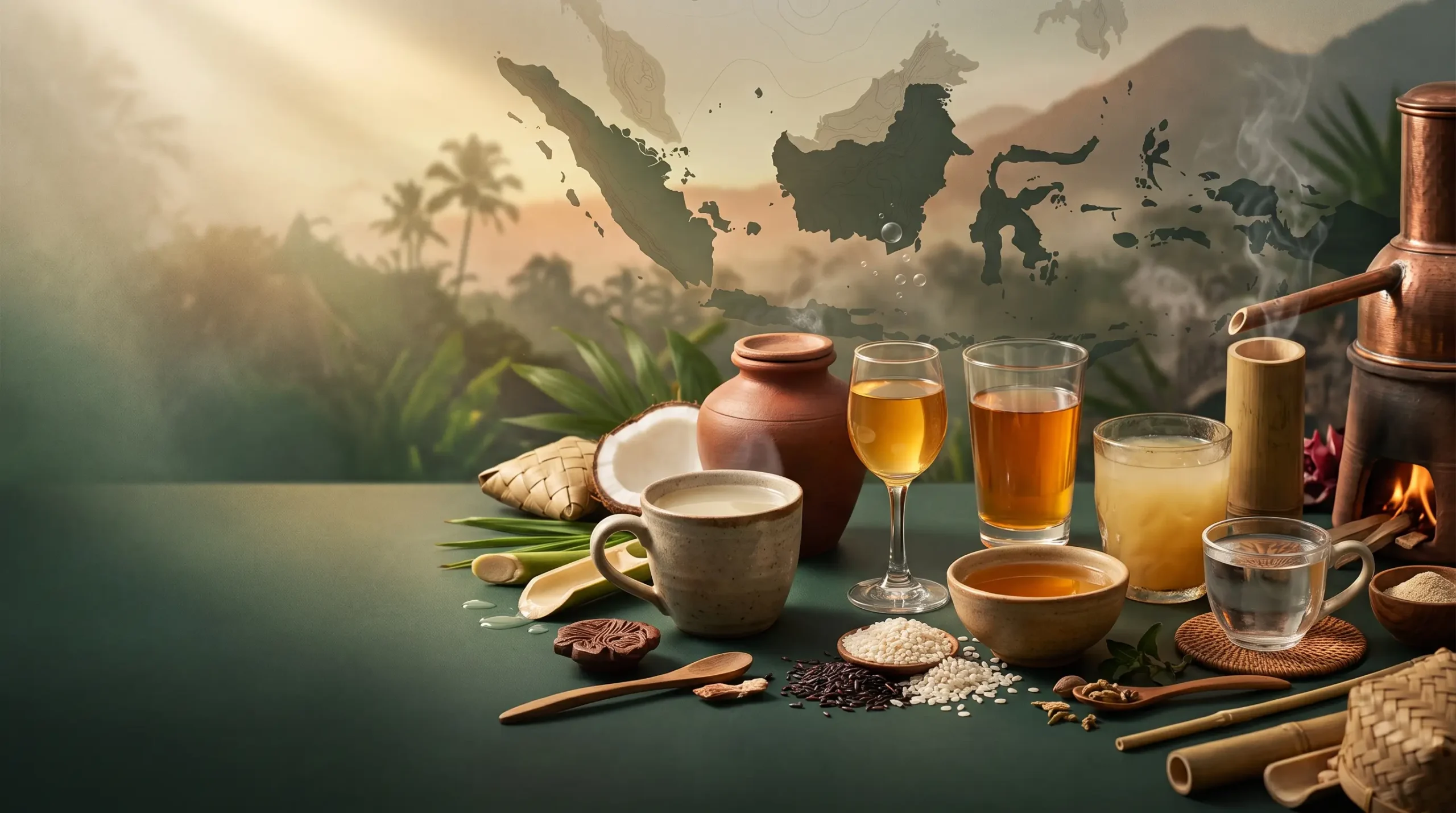
From the westernmost to the easternmost tip of the archipelago, Indonesia’s landscapes hold thousands of stories that not only live on culinary plates but also flow through the traditions of local fermentation. Hundreds of years ago, long before modern industry knew factory standardization, indigenous communities across various islands developed generations-old techniques for processing nature’s yield. This exploration is not merely about looking at what is served in a cup, but rather tracing a cultural map that records how humans have adapted to nature, honored harvest seasons, and woven social togetherness.
Indonesia and the Long Tradition of Local Fermentation
For agrarian and coastal communities in the past, preserving the earth’s bounty was the key to survival. Abundant fruits, sweet sugar palm sap, or leftover harvest grains frequently underwent natural fermentation due to exposure to wild yeasts in the open air. From this simple biological process, various types of traditional Indonesian alcoholic beverages were born, eventually merging into a part of specific ethnic identities.
However, viewing this tradition through a purely modern lens as merely a consumption commodity is a mistake. Within an anthropological framework, traditional fermented liquids once functioned as a medium for social cohesion, a symbol of respect for ancestors, and even a status marker element in specific traditional ceremonies.
Why Do Traditional Alcoholic Drink Traditions Vary by Region?
The differing characteristics of traditional products in each region are not a random coincidence, but rather the result of a long interaction between humans, the environment, and history.
The Influence of Ecology, Agriculture, and Local Flora
The availability of raw materials heavily determines the final form of a tradition. In island regions filled with sugar palm and lontar palm trees, communities utilize fresh sap. Meanwhile, in fertile highlands where the land yields glutinous rice or tubers, the fermentation process relies on traditional yeasts formulated from local spices. Tropical climate factors further accelerate this natural biochemical process, creating a distinct diversity of flavors in each region.
Social Functions, Customary Deliberations, and Sacred Rituals
In various traditional indigenous communities, locally fermented or distilled liquids are not consumed for commercial purposes or casual recreation. These drinks are presented during vital rituals such as harvest festivals, welcoming honored guests, traditional weddings, and tribal elder assemblies. Their presence symbolizes sincerity, openness, and a prayer that bonds among kin remain preserved.
The Cultural Map of the Archipelago’s Traditional Drinks by Region
A journey across Indonesia’s cultural map reveals how the exact same plant can be processed using completely different techniques on another island.
Sumatra: The Heritage of Sap and Tuak in Kinship Customs
On the island of Sumatra, particularly in the highlands of the Batak land and several coastal Malay regions, the tradition of processing sugar palm or coconut sap into light fermented drinks has strong historical roots. Commonly known as tuak, this sweet liquid tapped directly from the flower bunches of the sugar palm is left to undergo natural fermentation. In Batak society, serving tuak frequently accompanies traditional discussion activities at traditional stalls called lapo tuak. These places are not just resting spaces, but rather centers for social information exchange and citizen deliberation.
- Origin: North Sumatra and several other Sumatran regions.
- Main Ingredients: Sugar palm sap (Arenga pinnata) or coconut sap.
- Characteristics: Whitish in color, tasting slightly sweet mixed with a fresh sourness accompanied by fine foam resulting from natural fermentation.
- Cultural Context: Used as a symbol of warmth in communal conversations and a means to strengthen togetherness among adult men in villages.
Java: The Traces of Tapai, Brem, and Historical Acculturation
The island of Java possesses a fermentation history closely tied to paddy agrarian culture. Unlike western Indonesia, which focuses on tree sap, ancient Javanese society mastered the art of making tapai yeast from a mixture of spices such as galangal, garlic, and pepper. From black or white glutinous rice subjected to fermentation, processed products like tapai ketan were born—which, if left to sit, produce natural alcoholic liquids—along with the sweet-and-sour solid brem originating from Madiun and Wonogiri. Ancient archipelago inscription records even touch upon the existence of fermented rice liquids as special dishes in royal banquets.
- Origin: Central Java, East Java, and Yogyakarta.
- Main Ingredients: White or black glutinous rice, traditional tapai yeast.
- Characteristics: Sweet, with a distinct yeast aroma and a warming sensation in the throat.
- Cultural Context: Developed from palace environments to village traditions as a special banquet dish during major celebrations or grand harvest traditions.
Bali: Balinese Arak and Locally Protected Wisdom
Bali possesses one of the oldest distillation traditions legally recognized through regional regulations. The production process of Balinese Arak involves distilling previously fermented sugar palm sap, coconut sap, or lontar palm fruit. Through a Governor of Bali Regulation, traditional arak production is now strictly regulated to protect the ancestral heritage of local craftsmen while elevating it to high economic-value tourism standards.
- Origin: Bali.
- Main Ingredients: Sugar palm sap, coconut sap, or lontar palm sap.
- Characteristics: Clear, featuring a sharp aroma typical of fermented fruit, and providing a strong warming sensation.
- Cultural Context: Beyond being consumed in limited amounts during specific Hindu religious ceremonies as an offering medium (upakara), arak has now become a creative economic commodity for local artisans.
Nusa Tenggara: Moke and the Resilience of Tradition in Arid Lands
In the Nusa Tenggara islands, such as Flores and Rote Island, dry and barren geographical conditions demand that communities utilize lontar and sugar palm trees as their primary source of life. In Flores, a traditional drink called moke is produced through a traditional distillation process using clay pots and long bamboo tubes called selang. Moke is held in high esteem as a symbol of brotherhood. In local customary tradition, guests arriving at an ancestral home must be served a bowl of moke as a sign of full acceptance.
- Origin: Flores, East Nusa Tenggara.
- Main Ingredients: Lontar palm fruit/sap or sugar palm sap.
- Characteristics: Features a distinctive smoky aroma resulting from the traditional firewood heating process on the distillation kettle.
- Cultural Context: Serves as an obligatory element in traditional ceremonies, marriage brideprice exchanges (belis), welcoming honored guests, and inter-family peace-making rituals.
Sulawesi: The Barricade of Ballo Tradition in Communal Events
The society of South Sulawesi, particularly the Bugis and Makassar tribes, is familiar with a traditional drink made from lontar palm sap called ballo. In ancient lontara manuscripts, this drink is frequently mentioned in the context of public festivities. Ballo is generally divided into two types: sweet ballo (fresh unfermented sap) and alcoholic ballo that has been mixed with specific tree barks such as roko-roko roots to enrich flavor and halt excessive souring processes.
- Origin: South Sulawesi.
- Main Ingredients: Lontar palm sap (Borassus flabellifer).
- Characteristics: Cloudy yellowish, tasting sweet and sour with an astringent mix from protective bark extracts.
- Cultural Context: Consumed communally by farmers after a day of working in rice fields or sugar palm groves, and present during gotong-royong traditions of building traditional houses.
Maluku and Papua: Sopi and the Role of Traditional Drinks in Customary Exchange Systems
Moving to eastern Indonesia, the Maluku and Papua regions possess a generations-old distillation tradition known as sopi. In the Maluku Islands, sopi is made from harvested mayang palm sap distilled using metal drum containers or clay pots. Sopi holds a crucial role in customary law structures, where the process of opening sopi prohibitions (buka sasi) or settling customary land disputes frequently involves signing peace agreements over cups of sopi shared among customary figures.
- Origin: Maluku and Papua.
- Main Ingredients: Mayang palm sap or coconut sap.
- Characteristics: Clear, with a sharp aroma and a fairly high alcohol content resulting from traditional distillation.
- Cultural Context: Functions as a sacred medium in customary pledge bonds, dowries, and welcoming ceremonies for heroes or tribal elders newly returned from long journeys.
Fundamental Differences: Natural Fermentation Versus Traditional Distillation
When understanding the map of traditional Indonesian drinks, it is important to clearly distinguish between the two primary production methods:
- Natural Fermentation: A biological process where microorganisms break down plant sugars into low levels of alcohol, ranging from 3% to 8% (examples: tuak and ballo).
- Traditional Distillation: An advanced process where the fermented result is heated to collect its alcohol vapor, then cooled down again to produce a more concentrated consistency (examples: moke, arak, and sopi).
The Existence Status of Traditional Drinks and Modern Industrial Evolution
Amid the current waves of globalization and urban lifestyle modernization, the existence of the archipelago’s traditional fermented and distilled products faces increasingly complex dynamics. Strict regulations and modern standardization mean these classical traditions generally remain exclusively preserved within specific cultural or customary spaces.
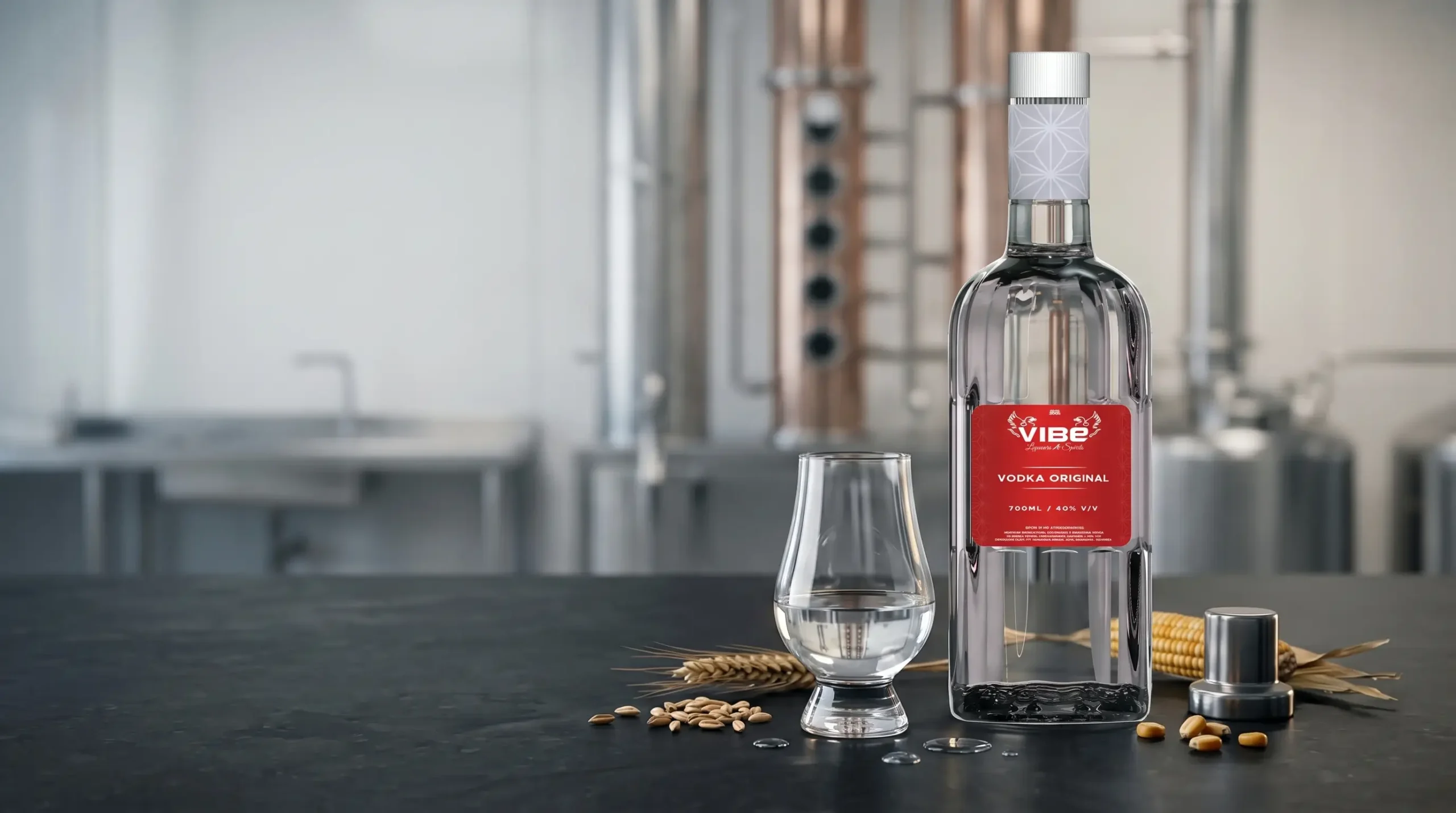
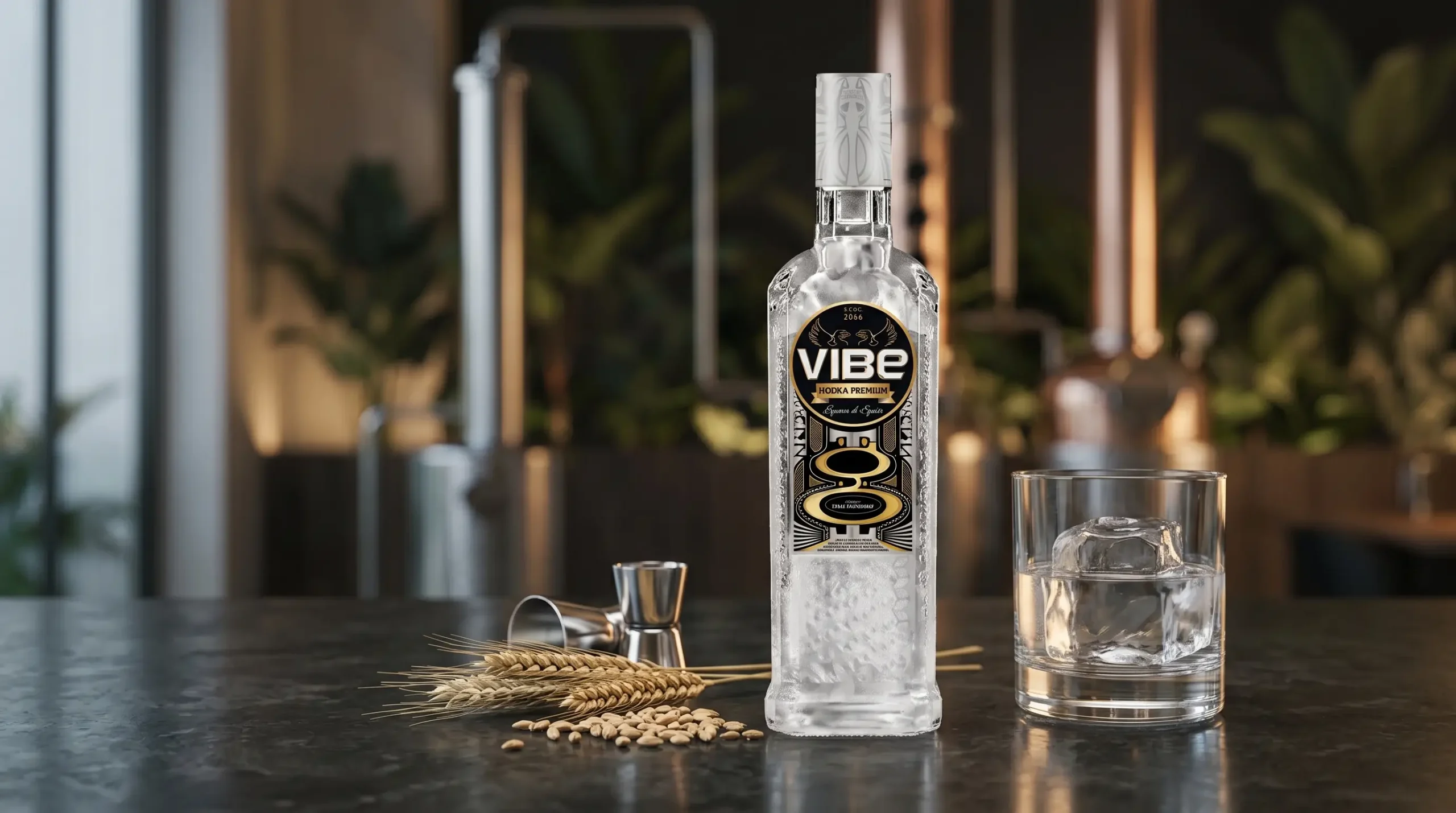
On the other hand, the domestic beverage industry landscape is also undergoing evolution through the presence of modern local producers. Utilizing advanced distillation technology and strict factory hygiene standards, local commercial innovations such as Vibe Liqueurs & Spirits help color this industry. Interestingly, these modern local concoction products have proven capable of penetrating international quality standards, evidenced by a number of prestigious awards won at various global competitions such as the Ultimate Spirits Challenge in New York and the Asia International Spirits Competition.
Despite standing in a commercial industrial realm different from grassroots traditions, this development demonstrates how local processing capacity continues to adapt to modern quality standards on the global stage, complementing Indonesia’s existing beverage industry spectrum.
Frequently Asked Questions (FAQ)
- What is meant by traditional Indonesian alcoholic drinks? Traditional Indonesian alcoholic drinks are liquid products resulting from the natural fermentation or distillation of local plant materials processed across generations by indigenous communities in various regions of the archipelago.
- What are some examples of traditional alcoholic drinks from various regions? Major examples include tuak in Sumatra, brem in Java, arak in Bali, moke in East Nusa Tenggara, ballo in South Sulawesi, and sopi in Maluku and Papua.
- What are the main ingredients commonly used in traditional alcoholic drinks? The main ingredients heavily depend on local natural wealth, generally sourced from sugar palm sap, lontar palm sap, coconut sap, mayang palm sap, as well as white or black glutinous rice.
- Do all traditional Indonesian drinks contain alcohol? Not all of them. Many traditional processed products like tapai ketan or fresh sap are consumed in non-alcoholic forms or contain only minimal alcohol content before advanced fermentation processes occur.
- What is the function of alcoholic drinks in Indonesian community traditions? In a traditional context, locally fermented liquids function as a medium for customary deliberations, a symbol of respect for guests, a complement to grand harvest ceremonies, and a medium to bond social ties among citizens.
- What is the difference between fermented drinks and distilled drinks? Fermented drinks are produced purely from the breakdown of plant sugars by natural yeast at mild levels, whereas distilled drinks undergo advanced vapor heating processes to obtain a more concentrated liquid consistency.
- Are traditional Indonesian alcoholic drinks still made today? Yes, the majority are still produced traditionally by local artisan communities, with several regions regulating them legally through regional regulations to protect cultural heritage and tourism.
Preserving Flavor Heritage and Looking Toward the Future of the Local Industry
Indonesia’s traditional alcoholic drink map from Sabang to Merauke proves that the archipelago’s richness extends far beyond what is served at modern dining tables. Every drop of fermented liquid and traditional distillate records the historical tracks of human adaptation, botanical local wisdom, and the family values held high by the nation’s ancestors. Understanding this heritage is not about seeking a thrill, but rather nurturing the anthropological understanding that Indonesian culture is formed from a deeply diverse mosaic of traditions.
Along with changing times, the richness of the archipelago’s flavors is now also translated through modern industrial innovation. One representation of local pride is Vibe Liqueurs & Spirits, an Indonesian local alcohol product that has won various prestigious international awards. Present with a diverse selection of flavor variants and varying alcohol contents, this product not only reflects world-class quality but is also flexible enough to be crafted into various modern cocktail recipes. Want to explore further into the world of mixology and creative serving inspiration? Visit wekendvibe to get interesting information regarding venues, cocktail recipe guides, and various other unique stories surrounding modern drinking lifestyle and culture.